Discover Our Complete Catalog
Browse our full peptide catalog and explore additional compounds. Click any product to view its details and discover more research solutions.

1. 5-Amino-1MQ 10mg
2. 5-Amino-1MQ 50mg
3. ACE-031 1mg
4. ACTH 1-39 5mg
5. Adamax 5mg
6. AHK-Cu 50mg
7. AICAR 50mg
8. AICAR 100mg
9. AOD-9604 5mg
10. AOD-9604 10mg
11. Alprostadil 20mcg
12. Amylin 5mg
13. Angiotensin (1–7) 5mg
14. ARA-290 10mg
15. Bimagrumab 5mg
16. Botulinum Toxin 100IU
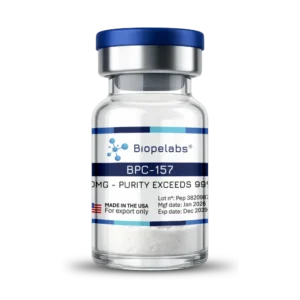
17. BPC-157 10mg
18. BPC-157 20mg
19. BPC-157 5mg + TB-500 5mg
20. BPC-157 10mg + TB-500 10mg
21. Bronchogen 20mg
22. Cagrilintide 10mg
23. Cagrilintide 20mg
24. Cardiogen 20mg
25. Cartalax 20mg
26. CBL-514 10mg
27. CBL-514 20mg
28. CBL-514 30mg
29. Cerebrolysin 60mg
30. Cerlankin 2mg
31. CGRP (Calcitonin Gene-Related Peptide) 1mg
32. CJC-1295 with DAC 5mg
33. CJC-1295 with DAC 10mg
34. CJC-1295 with DAC 5mg + Ipamorelin 5mg
35. CJC-1295 without DAC 5mg
36. CJC-1295 without DAC 10mg
37. CJC-1295 without DAC 5mg + Ipamorelin 5mg
38. Chonluten 20mg
39. Cortagen 20mg
40. Crystagen 20mg
41. CT-1 Cardiotrophin-1 5mg
42. Dermorphin 5mg
43. Dihexa 5mg
44. DSIP 5mg
45. Dulaglutide 5mg
46. Elabela Apelin 5mg
47. Enfuvirtide 90mg
48. Epithalon 5mg
49. Epithalon 40mg
50. Epithalon 50mg
51. EPO 3000IU
52. FGF21 10mg
53. Follistatin-344 1mg
54. FOXO4 10mg
55. GHK-Cu 50mg
56. GHK-Cu 100mg
57. Ghrelin 10mg
58. GHRP-2 5mg
59. GHRP-6 5mg
60. Glucagon 1mg
61. Glutathione 1500mg
62. Gonadorelin Acetate 2mg
63. Goserelin 10mg
64. GLOW BPC-157 10mg + GHK-Cu 50mg + TB-500 10mg
65. HGH 191AA 15IU
66. HGH 191AA 36IU
67. HGH Fragment 176-191 10mg
68. HGH Fragment 176-191 15mg
69. HMG (Human Menopausal Gonadotropin) 75IU
70. Humanin 10mg
71. Hyaluronic Acid 5mg
72. Hexarelin Acetate 2mg
73. Hexarelin Acetate 5mg
74. IGF-1 LR3 1mg
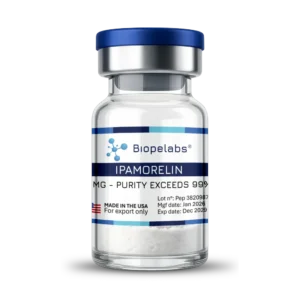
75. Ipamorelin 5mg
76. Ipamorelin 10mg
77. Kisspeptin-10 5mg
78. Kisspeptin-10 10mg
79. KLOW BPC-157 10mg + GHK-Cu 50mg + TB-500 10mg + KPV 10mg
80. KPV 10mg
81. Leuprolide Acetate 10mg
82. Liraglutide 5mg
83. Livagen 20mg
84. LL-37 5mg
85. Lysyl Oxidase 30mg
86. Matrixyl 10mg
87. Mazdutide 10mg
88. Melanotan I 10mg
89. Melanotan II 10mg
90. Melatonin 10mg
91. MGF 2mg
92. MOTS-c 10mg
93. MOTS-c 40mg
94. NAD+ 100mg
95. NAD+ 500mg
96. NAD+ 1000mg
97. Nesiritide 5mg
98. Neuropeptide Y (NPY) 10mg
99. Ovagen 20mg
100. Oxytocin Acetate 5mg
101. Oxytocin Acetate 10mg
102. P21 5mg
103. P21 10mg
104. PACAP 5mg
105. Pancragen 20mg
106. PE 22-28 10mg
107. PEG-MGF 2mg
108. Pinealon 5mg
109. Pinealon 10mg
110. Pinealon 20mg
111. PNC-27 5mg
112. PNC-27 10mg
113. Prostamax 20mg
114. PT-141 10mg
115. PTH Fragments 10mg
116. Relamorelin 5mg
117. Retatrutide 10mg
118. Retatrutide 20mg
119. Retatrutide 30mg
120. Retatrutide 40mg
121. Retatrutide 60mg
122. Retatrutide 5mg + Cagrilintide 5mg
123. Selank 5mg
124. Selank 10mg
125. Semaglutide 5mg + Cagrilintide 5mg
126. Semax 5mg
127. Sermorelin 5mg
128. SLU-PP-332 10mg
129. SNAP-8 10mg
130. SS-31 10mg
131. SS-31 50mg
132. Survodutide 10mg
133. TB-500 10mg
134. TB-500 (FRAG) 10mg
135. Teduglutide 5mg
136. Teriparatide 10mg
137. Tesamorelin 5mg
138. Tesamorelin 10mg
139. Tesamorelin 20mg
140. Tesamorelin 5mg + Ipamorelin 5mg
141. Tesofensine 1mg
142. Testagen 20mg
143. Thymalin 10mg
144. Thymosin Alpha-1 5mg
145. Thymosin Alpha-1 10mg
146. Treprostinil 5mg
147. Vesugen 20mg
148. VIP 5mg
149. VIP 10mg
150. Vilon 20mg

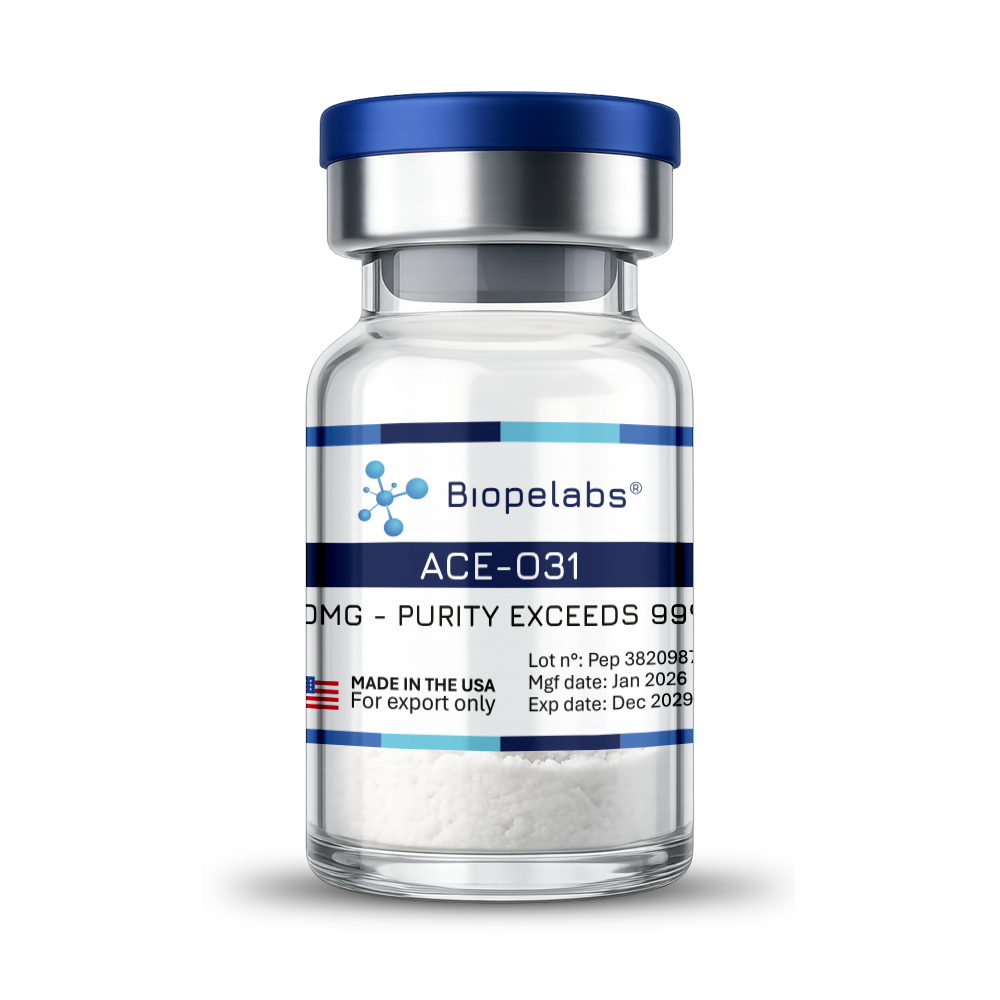
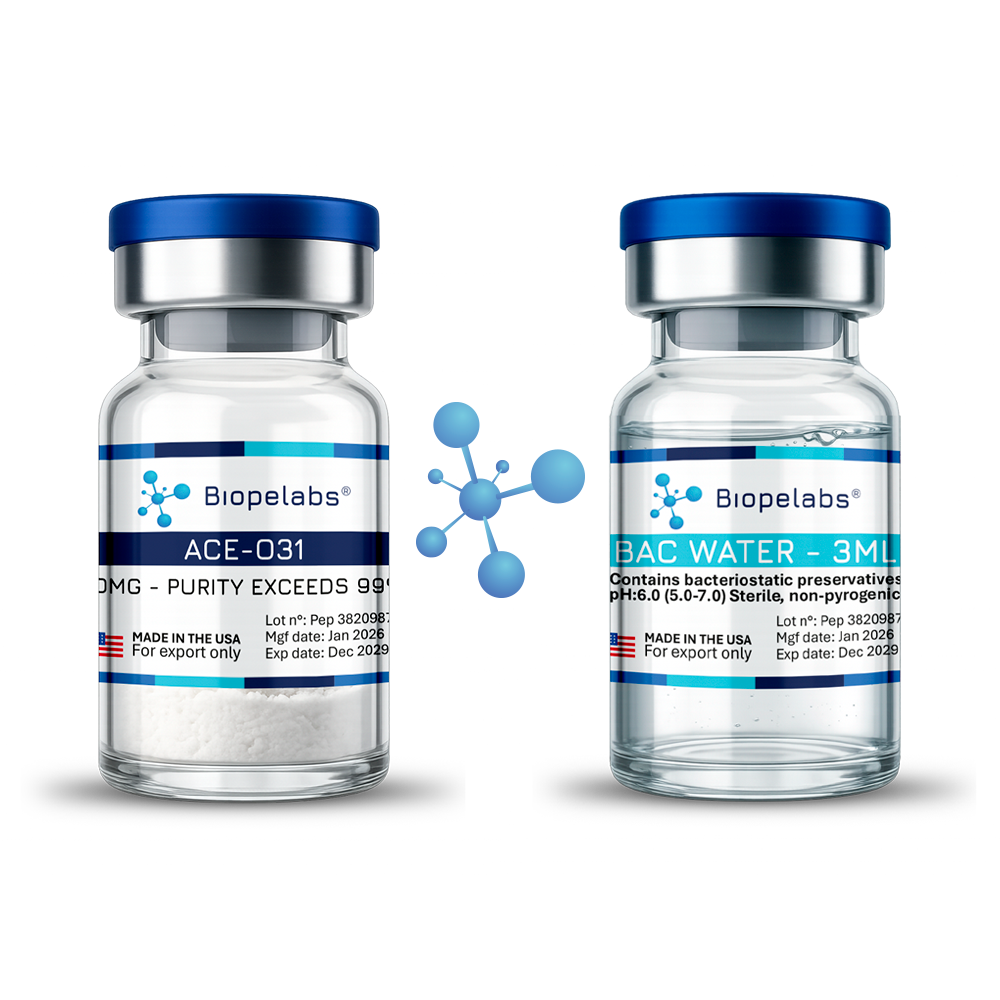
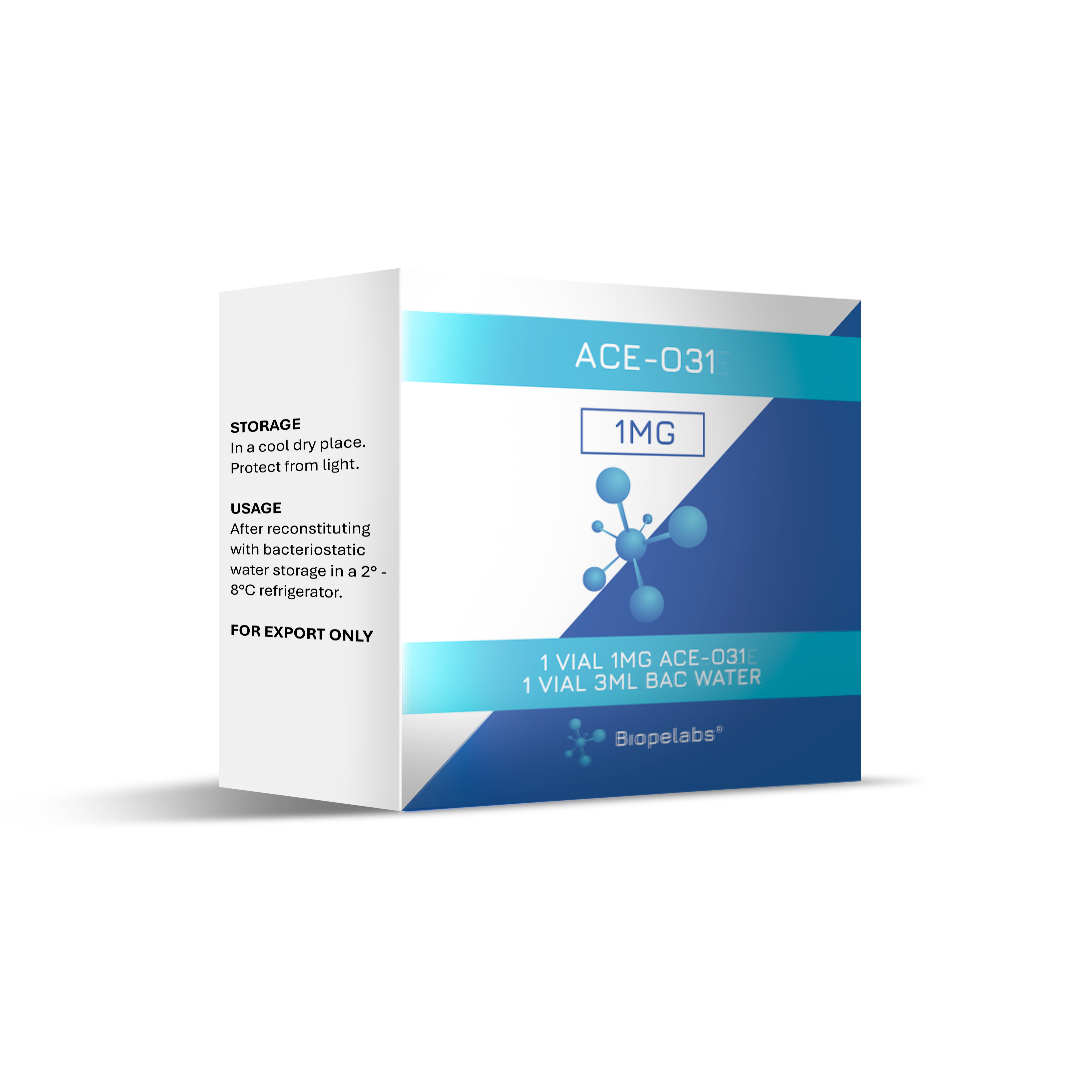
ACE-031 1mg

Promotes Muscle Gain / Blocks Myostatin to Increase Lean Mass

ACE-031 is a recombinant fusion protein composed of the extracellular domain of the activin type IIB receptor (ActRIIB) fused to the Fc portion of human IgG. It acts as an inhibitor of myostatin and other TGF-β family ligands, investigated for increasing muscle mass and strength in conditions of muscle loss.


R$1.020,00

10 in stock

Warning — For Research Use Only

Scientific content intended for research laboratories only. It is not a clinical, therapeutic, or diagnostic recommendation. Use is restricted to qualified professionals. Consult specialists before purchasing or using. Biopelabs reinforces its commitment to ethical and responsible use.

Description

ACE-031 functions as a soluble “decoy” receptor, binding with high affinity to myostatin (GDF-8) and related ligands (such as activins), thereby preventing their interaction with endogenous cellular receptors. Myostatin is a central negative regulator of myogenesis; its inhibition results in:

  • increased differentiation and hypertrophy of muscle fibers,
  • elevation of skeletal muscle mass,
  • potential gains in functional strength.

The fusion to the IgG Fc fragment provides structural stability and an extended plasma half-life, enabling systemic administration with widened dosing intervals. Unlike metabolic agonists or lipolytic agents, ACE-031 does not primarily act on body fat reduction; its effects are muscle-anabolic, with possible secondary changes in body composition stemming from increased lean mass.
The compound was evaluated in early clinical studies for muscular disorders (e.g., dystrophies), but its development was halted due to vascular adverse events observed in clinical phases.


Important Information

Properties Value
Molecular Formula ACE-031 has no fixed molecular formula
Molecular Weight ≈ 48–50 kDa
Synonyms ACE-031, ActRIIB-Fc, Myostatin inhibitor (receptor decoy), Activin receptor type IIB–Fc fusion protein


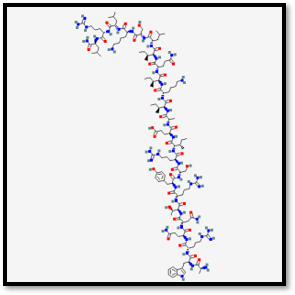
 Main Structure of the ACE-031 Protein

ACE-031

Fonte: científico


 Brief Scientific Summary
ACE-031 is a recombinant ActRIIB-Fc fusion protein that inhibits myostatin and related TGF-β family ligands, promoting muscle mass increase by removing physiological blockade of myogenesis, with primarily anabolic and non-lipolytic effects.


Important Technical Note
✔️ Acts directly on the myostatin/ActRIIB axis
✔️ Induces muscle hypertrophy
❌ Not a peptide
❌ Not a metabolic agonist
❌ Not a direct lipolytic agente

Intended Use
Biopelabs warns: this material is provided exclusively as a chemical reagent for research purposes. Its use is restricted to in vitro assays and experimental activities in a laboratory setting. The information provided is strictly informational and educational. Handling must be performed only by qualified professionals. The product is not classified as a medicine, food, or cosmetic and must not be used, marketed, or described as such.


Research

Scientific Research on ACE-031 (ActRIIB-Fc)
ACE-031 is a recombinant fusion protein composed of the extracellular domain of the activin type IIB receptor (ActRIIB) fused to the Fc portion of human immunoglobulin IgG. It is not a simple peptide but a chimeric protein designed to act as a "ligand trap" receptor, sequestering TGF-β superfamily ligands, particularly myostatin (GDF-8) and related proteins.
It was developed as an experimental agent with potential applications in conditions associated with muscle mass loss or deficiency, such as muscular dystrophies, cachexia, and sarcopenia.


Mechanism of Action and Inhibition

ACE-031 functions as a functional inhibitor of the myostatin pathway through extracellular neutralization of its ligands.
Primary mechanism:

  • High-affinity binding to myostatin (GDF-8)
  • Binding to other TGF-β family ligands (e.g., activins)
  • Prevention of these ligands' interaction with endogenous ActRIIB receptors
  • Blockade of SMAD2/3 pathway activation
    Myostatin normally acts as a negative regulator of muscle growth, promoting:
  • Inhibition of myogenic differentiation
  • Reduction of muscle protein synthesis
  • Activation of catabolic pathways
    By sequestering myostatin, ACE-031 promotes:
  • Increased muscle mass
  • Hypertrophy of muscle fibers
  • Potential strength gains
    However, its action is not entirely selective for myostatin, also interfering with other TGF-β superfamily proteins, contributing to adverse effects observed in clinical studies.


Scientifically Investigated Metabolic Impacts

In preclinical models and early clinical studies, the following were observed:

  • Significant increases in lean muscle mass
  • Relative reductions in body fat in some animal models
  • Potential improvements in functional muscle performance
    In animal models, myostatin inhibition was also associated with:
  • Improved insulin sensitivity
  • Changes in body composition
  • Modulation of protein metabolism
    However, systemic metabolic data in humans are limited, as clinical development was discontinued early.


Investigation in Oncological Models

The myostatin/ActRIIB pathway has potential relevance in:

  • Cancer-associated cachexia
  • Inflammation-induced muscle loss
    In experimental tumor cachexia models, myostatin inhibition demonstrated:
  • Preservation of muscle mass
  • Reduction of muscle atrophy
  • Potential functional improvements
    However, there is no consolidated evidence of direct antitumor effects. Its action focuses on modulating muscle loss secondary to disease.

Pharmacokinetic Considerations in Research

As a fusion protein containing an Fc portion, ACE-031 exhibits:

  • Intravenous or subcutaneous administration in experimental protocols
  • Prolonged half-life due to FcRn-mediated recycling
  • Systemic distribution
  • Clearance via protein catabolism
    Early-phase clinical studies demonstrated dose-dependent increases in muscle mass but also revealed adverse events related to interference in vascular and hematological pathways.
    Clinical development was discontinued after observing adverse effects such as epistaxis and telangiectasias, possibly associated with non-selective inhibition of TGF-β family ligands.


Other Important Existing Research Relationships

  • Investigation of the myostatin pathway as a therapeutic target
  • Development of anti-myostatin monoclonal antibodies
  • Study of selective ActRIIB inhibitors
  • Potential applications in aging-associated sarcopenia
  • Research in Duchenne muscular dystrophy
    Understanding ligand specificity within the TGF-β superfamily became central following the adverse events observed with ACE-031.

Final Considerations

ACE-031 represents a biotechnological strategy based on a "ligand trap" receptor for myostatin neutralization and muscle growth promotion. Although it demonstrated significant muscle mass increases in early studies, its lack of selectivity and systemic adverse effects limited clinical advancement.
From a scientific perspective, it remains relevant as a tool for understanding the ActRIIB/myostatin pathway and developing more selective approaches for muscle growth modulation and cachexia treatment.

References

Lee, S. J. (2012). Regulation of muscle mass by myostatin. Annual Review of Cell and Developmental Biology, 28, 61–83. https://doi.org/10.1146/annurev-cellbio-101011-155836
Campbell, C., McMillan, H. J., Mah, J. K., et al. (2017). Myostatin inhibition in muscular dystrophy. Neurology, 89(2), 127–138. https://doi.org/10.1212/WNL.0000000000004086
Amthor, H., Macharia, R., Navarrete, R., et al. (2007). Lack of myostatin results in excessive muscle growth but impaired force generation. Proceedings of the National Academy of Sciences, 104(6), 1835–1840. https://doi.org/10.1073/pnas.0604893104
Rooks, D., Praestgaard, J., Hariry, S., et al. (2017). Treatment of sarcopenia with a selective androgen receptor modulator and myostatin inhibition. Journal of Cachexia, Sarcopenia and Muscle, 8(6), 933–946. https://doi.org/10.1002/jcsm.12239

Scientific Reviewer
Content reviewed by Dr. Ky H. Le, MD. Dr. Ky H. Le is a family physician in Aiea, Hawaii. He received his medical degree from St. George's University School of Medicine and has been practicing for over 20 years. He has expertise in treating obesity, diabetes, hypertension, and high blood pressure, among other conditions—see all areas of specialization. Dr. Ky H. Le accepts Medicare, Aetna, Humana, Blue Cross, United Healthcare.
Ref.: https://health.usnews.com/doctors/ky-le-371599#expertise
COAs

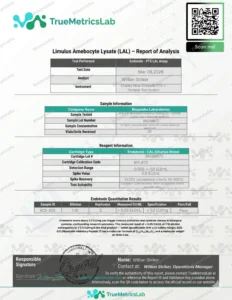
LAL Endotoxin Test Report

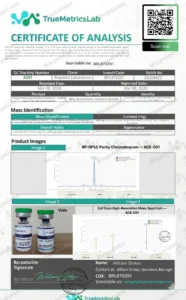
Certificate of Analysis (Including Product Images)

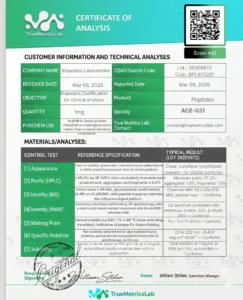
Certificate of Analysis (General / Physicochemical)

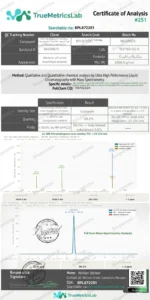
Certificate of Analysis (Analytical Method Details) ✅

Reviews

There are no reviews yet.

Only logged in customers who have purchased this product may leave a review.

Additional information

Weight 40 g
Dimensions 7 × 3,6 × 8 cm

Fill out the form