
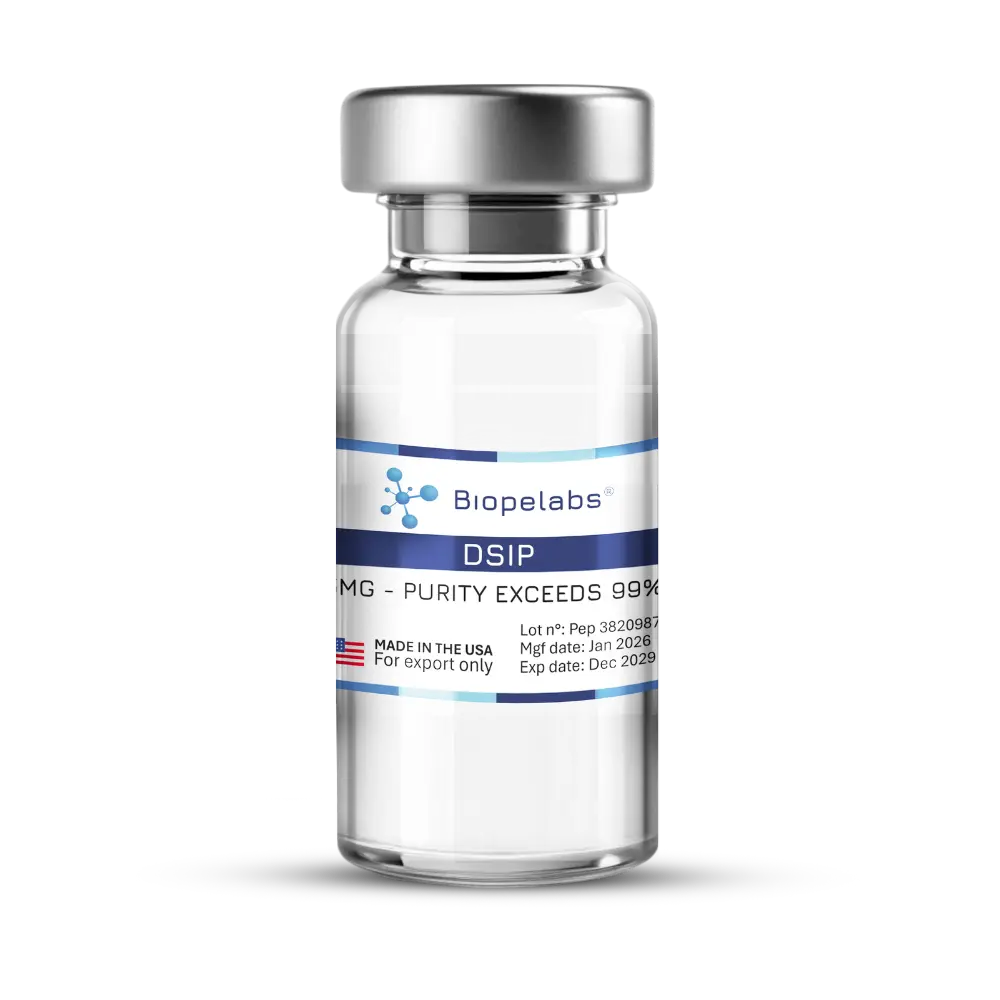
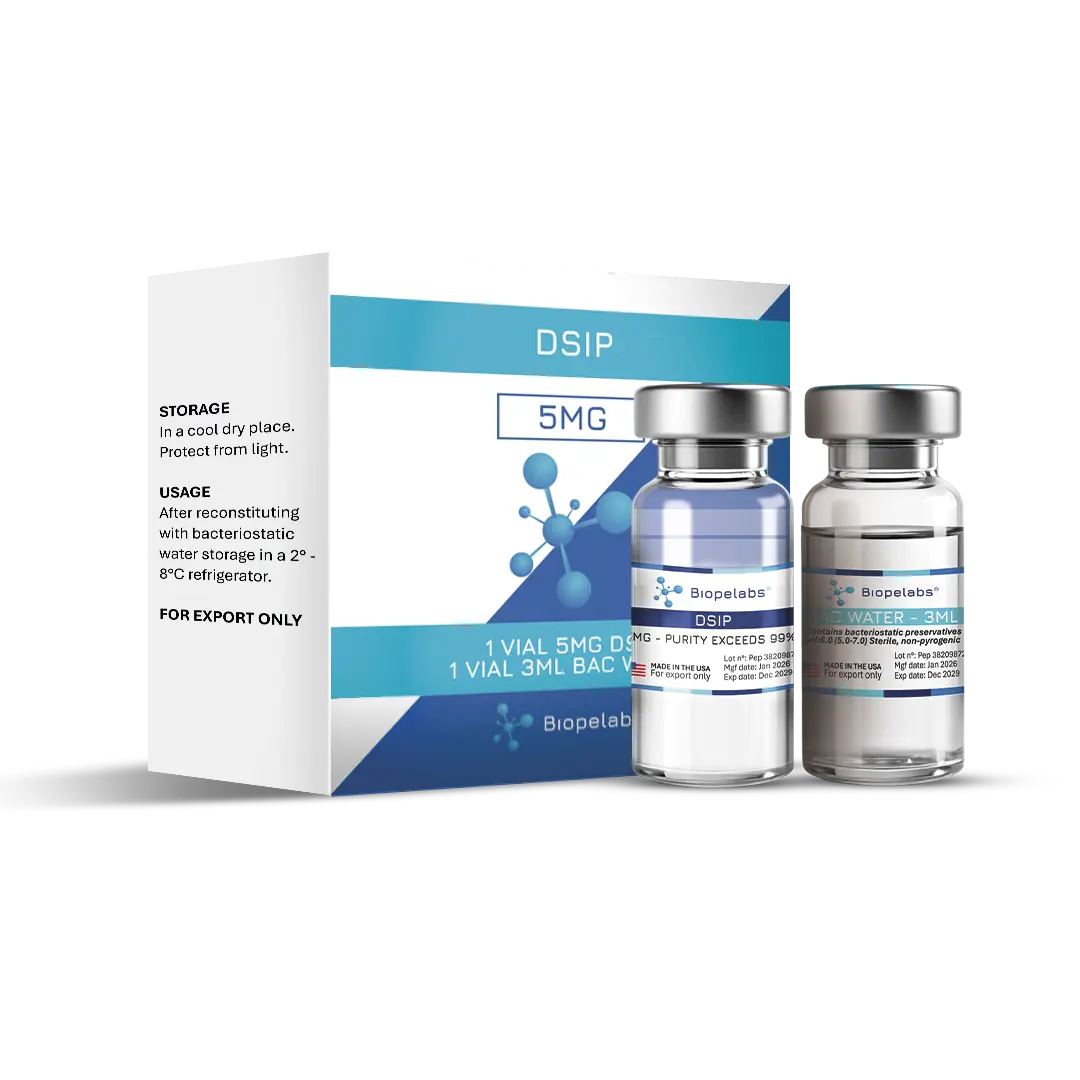
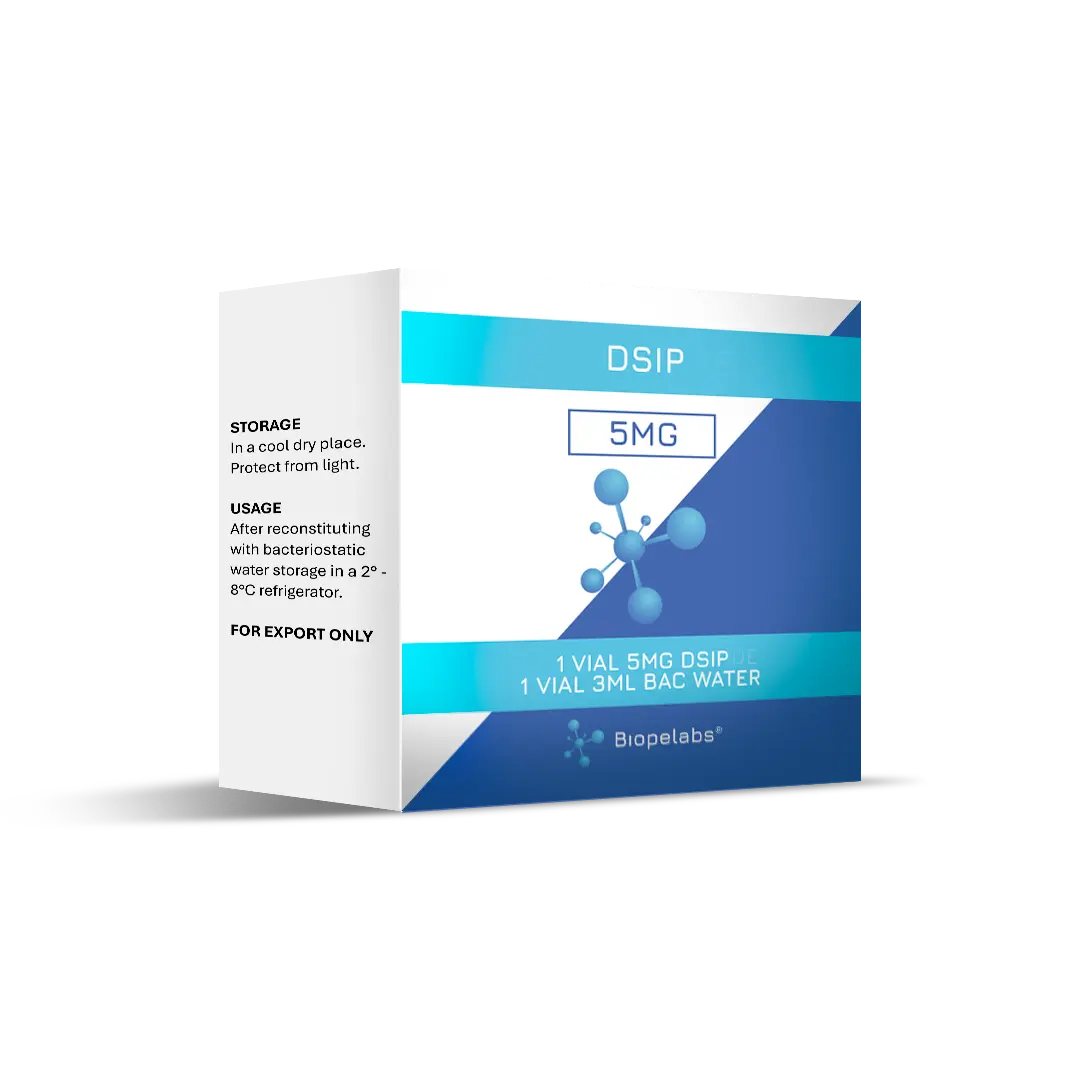


Delta‑sleep‑inducing peptide (DSIP) is a naturally occurring nine‑amino‑acid neuropeptide first isolated from rabbits in the 1970s. Named for its ability to promote slow‑wave (delta) sleep in experimental animals, DSIP has been studied for its roles in regulating sleep, modulating the stress response, and influencing pain perception.
Despite its name, research suggests that DSIP has broader functions beyond sleep induction and may affect neuroendocrine regulation and immune function. It has been investigated as a potential therapeutic agent for insomnia, depression, and pain‑related conditions. The exact physiological role and precise mechanism of action of DSIP remain the subject of ongoing research.
| Property | Value |
| Chemical formula | C₃₅H₄₈N₁₀O₁₅ |
| Molecular weight | 848.8 g/mol |
| Synonyms | Emideltide, 62568‑57‑4, DELTA‑SLEEP‑INDUCING PEPTIDE, DSIP nonapeptide |
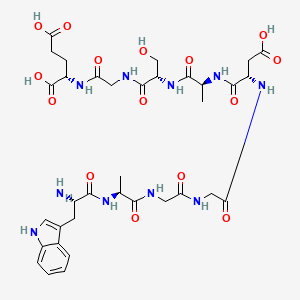
Source: PubChem
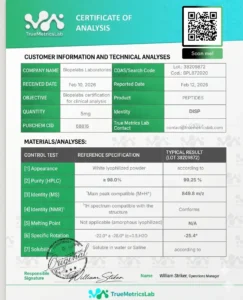
Peptides undergo a lyophilization process, a technique that enhances stability and shelf life while preserving purity and molecular structure over storage. No fillers or bulking agents are used during this procedure.
Biopelabs advises: this material is provided exclusively as a chemical reagent for research purposes. Its use is restricted to in vitro assays and experimental work in a controlled laboratory setting. The information provided is strictly educational and informational. Handling must be performed only by qualified professionals. This product is not classified as a medicine, food, or cosmetic and must not be used, marketed, or described as such.
Delta‑Sleep‑Inducing Peptide (DSIP) is a nonapeptide composed of nine amino acids (Trp‑Ala‑Gly‑Gly‑Asp‑Ala‑Ser‑Gly‑Glu) first isolated in the 1970s from cerebral venous blood of sleeping rabbits. Since its discovery, DSIP has been the subject of extensive scientific investigation due to its neurophysiological and systemic effects.
Initially, DSIP was identified by its apparent ability to induce slow‑wave (delta) sleep, the deepest stage of non‑REM sleep. Subsequent research, however, has shown that its effects extend beyond sleep regulation, involving multiple physiological systems.
Scientific studies have explored DSIP in various physiological contexts, including:
These properties make DSIP a peptide of interest in research related to sleep disorders, pain management, and substance‑withdrawal syndromes.
DSIP is widely studied for its ability to induce delta sleep, characterized by slow‑wave electroencephalographic (EEG) patterns. Investigations have demonstrated that the peptide promotes sleep in multiple species, including rabbits, rats, mice, and humans, with variable effects on REM sleep in animal models such as cats.
Studies indicate that DSIP influences the levels of key neurotransmitters involved in sleep regulation, such as serotonin (5‑HT), glutamate, dopamine, and melatonin. It also modulates brain electrophysiological activity, circadian rhythms, and hormone secretion, underscoring its systemic impact.
Clinical trials suggest that DSIP may normalize disrupted sleep patterns and improve wakefulness‑state alertness and performance. Despite these findings, the exact physiological role of DSIP is not yet fully understood, partly because its specific gene and receptor have not been clearly identified. The existence of functionally similar DSIP‑like peptides has also been hypothesized.
Clinical studies have shown that DSIP administration can significantly reduce pain intensity in patients with various painful conditions, including migraine, vasomotor headaches, chronic tinnitus, and psychogenic pain episodes.
Beyond decreasing pain intensity, a reduction in the duration and frequency of painful episodes has been observed, suggesting scientific interest in DSIP as a modulator of chronic pain.
Animal‑model research indicates that DSIP also influences the circadian rhythm of pain perception. In rats, DSIP administration increased pain thresholds during both light and dark periods through a mechanism that is independent of opioid pathways, as it was not sensitive to naloxone.
DSIP has been investigated in the context of substance withdrawal, including alcohol and opioids. In one study involving 67 patients, DSIP treatment yielded beneficial effects in nearly all evaluable individuals, with rapid and sustained relief of somatic symptoms. While anxiety reduction was also observed, it occurred more gradually.
Another clinical trial in 107 hospitalized patients reported significant and rapid symptom improvement in 97% of opioid‑dependent individuals and 87% of alcohol‑dependent patients, further reinforcing scientific interest in DSIP in this research area.
Scientific research on DSIP demonstrates that this neuropeptide exerts complex, multifactorial effects on the central nervous system and other physiological systems. Its use remains restricted to research settings, and additional studies are essential to fully elucidate its mechanisms of action, specific receptors, and potential future applications within appropriate scientific and regulatory frameworks.
Pollard, B., & Pomfrett, C. (2001). Delta‑sleep‑inducing peptide… European Journal of Anaesthesiology, 18(7), 419–422. https://doi.org/10.1046/J.1365‑2346.2001.00917.X
Mu, X., Qu, L., Yin, L., Wang, L., Liu, X., & Liu, D. (2024). Pichia pastoris‑secreted peptides crossing the blood–brain barrier and the efficacy of DSIP fusion peptides in PCPA‑induced insomnia mouse models. Frontiers in Pharmacology, 15. https://doi.org/10.3389/fphar.2024.1439536
Graf, M., & Kastin, A. (1986). Delta‑sleep‑inducing peptide (DSIP): An update. Peptides, 7, 1165–1187. https://doi.org/10.1016/0196‑9781(86)90148‑8
Schneider‑Helmert, D., & Schoenenberger, G. (1983). Effects of DSIP in man. Multifunctional psychophysiological properties beyond the induction of natural sleep… Neuropsychobiology, 9(4), 197–206. https://doi.org/10.1159/000117964
Kovalzon, V., & Strekalova, T. (2006). Delta‑sleep‑inducing peptide (DSIP): An unsolved enigma. Journal of Neurochemistry, 97. https://doi.org/10.1111/j.1471‑4159.2006.03693.x
Larbig, W., Gerber, W., & Schoenenberger, G. (1987). Peptidergic analgesic effects of delta‑sleep‑inducing peptide (DSIP) on pain symptoms and other pain‑related symptoms. Cephalalgia, 7, 46–48. https://doi.org/10.1177/03331024870070S614
Larbig, W., Gerber, W., Kluck, M., & Schoenenberger, G. (1984). Therapeutic effects of delta‑sleep‑inducing peptide (DSIP) in patients with pronounced chronic pain episodes. A clinical pilot study… European Neurology, 23(5), 372–385. https://doi.org/10.1159/000115716
Yehuda, S., & Carasso, R. (1987). The effect of DSIP on pain threshold during light and dark periods in rats is not sensitive to naloxone… International Journal of Neuroscience, 37(1–2), 85–88. https://doi.org/10.3109/00207458708991805
Dick, P., Grandjean, M., & Tissot, R. (1983). Successful treatment of withdrawal symptoms with the delta‑sleep‑inducing peptide, a neuropeptide with putative opiate‑receptor agonistic activity… Neuropsychobiology, 10(4), 205–208. https://doi.org/10.1159/000118012
Dick, P., Costa, C., Fayolle, K., Grandjean, M., Khoshbeen, A., & Tissot, R. (1984). DSIP in the treatment of alcohol and opioid withdrawal syndromes… European Neurology, 23(5), 364–371. https://doi.org/10.1159/000115715

The content was reviewed by Dr. Ky H. Le, MD. Dr. Ky H. Le is a family physician in Aiea, Hawaii. He received his medical degree from St. George’s University School of Medicine and has been practicing for over 20 years. He has expertise in the treatment of obesity, diabetes, hypertension, and high blood pressure, among other conditions—see all areas of specialization at https://health.usnews.com/doctors/ky‑le‑371599#expertise. Dr. Ky H. Le accepts Medicare, Aetna, Humana, Blue Cross, and United Healthcare.
Reference: https://health.usnews.com/doctors/ky‑le‑371599#expertise
Only logged in customers who have purchased this product may leave a review.
| Weight | 40 g |
|---|---|
| Dimensions | 7 × 3,6 × 8 cm |

Reviews
There are no reviews yet.