
Humanin is a bioactive peptide originally identified in the context of mitochondria-nucleus communication, classified as a mitochondria-derived peptide (MDP). Its sequence is conserved across species and features multiple variants, including synthetic analog forms used in experimental studies.
Mechanistically, Humanin acts through different molecular pathways, including interaction with pro-apoptotic Bcl-2 family proteins such as Bax and Bid, inhibiting their mitochondrial translocation and consequently the intrinsic apoptotic cascade activation. Additionally, the peptide may signal through cell surface receptors associated with gp130-type complexes, modulating intracellular STAT3-dependent pathways.
Humanin does not act as a classical hormone nor as a single receptor agonist, exerting its function through multiple intracellular and extracellular signaling mechanisms. Its low molecular weight is associated with rapid tissue distribution and systemic clearance, typical of endogenous mitochondrial peptides.
Important Information
| Properties | Value |
| Molecular Formula | C₁₁₉H₁₉₈N₃₄O₃₁S |
| Molecular Weight | ≈ 2,687 g/mol |
| Synonyms | Humanin, HN, Mitochondria-derived peptide (MDP), Humanin S14G (analog variant), HNG |
Main Structure of the Humanin Peptide
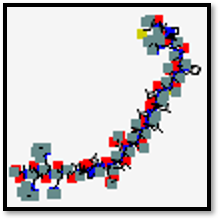
Source: PubChem
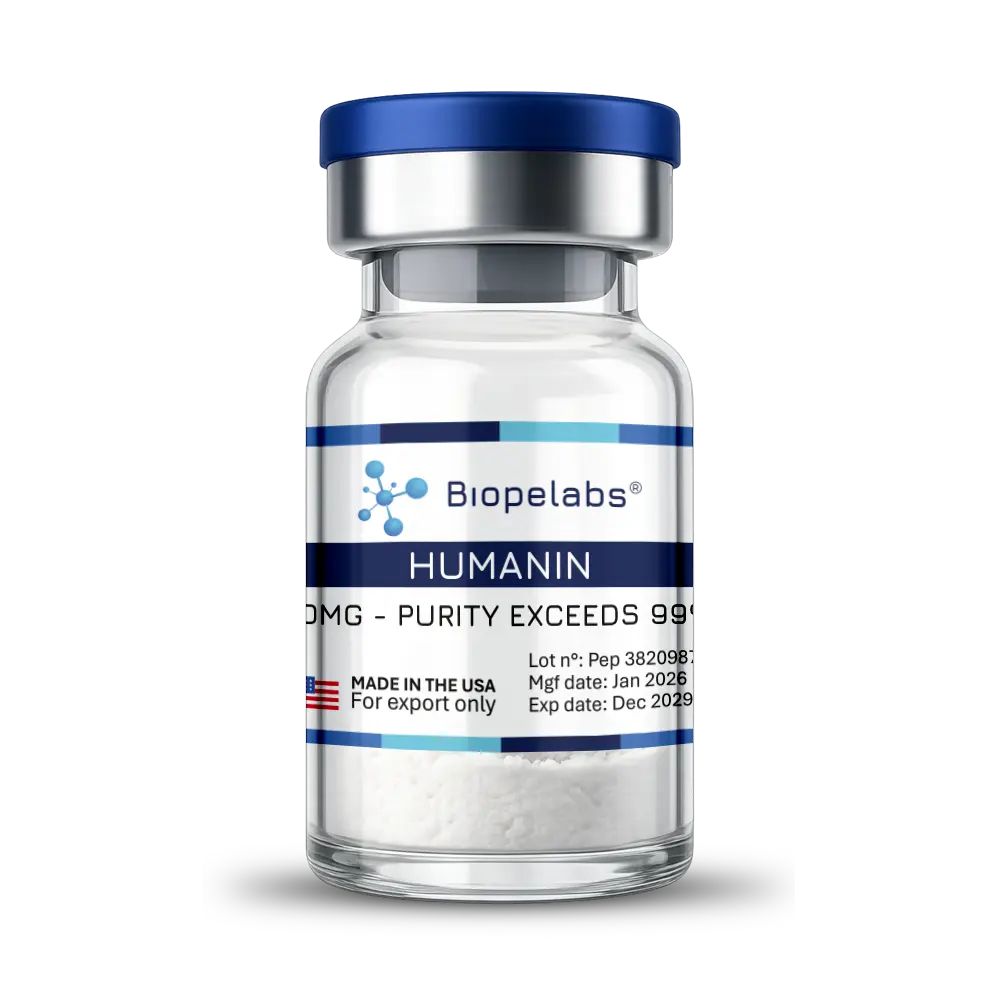
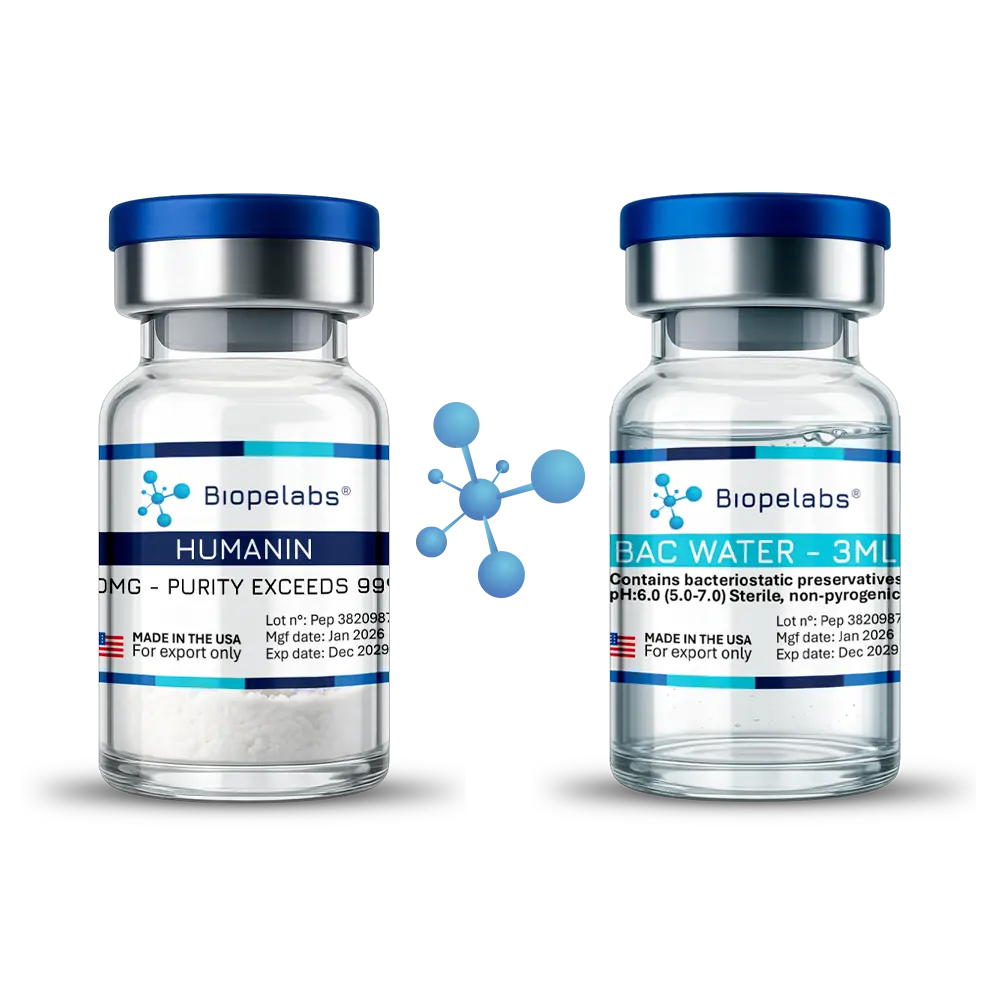
Lyophilized Peptides
The peptides undergo a lyophilization process, a technique that enhances stability and shelf life while preserving purity and molecular structure during storage. Notably, no fillers are used in this procedure.
Intended Use
Biopelabs warns: this material is provided exclusively as a chemical reagent for research purposes. Its use is restricted to in vitro assays and experimental activities in a laboratory setting. The information provided is strictly informational and educational. Handling must be performed only by qualified professionals. The product is not classified as a medicine, food, or cosmetic and must not be used, marketed, or described as such.
Scientific Research on Humanin
Humanin is an endogenous mitochondrial peptide first described in 2001 in experimental models associated with Alzheimer's disease. It is a small bioactive peptide derived from a small open reading frame (sORF) located in mitochondrial DNA, specifically within the 16S rRNA gene (MT-RNR2).
Humanin belongs to the class of MDPs (Mitochondria-Derived Peptides), which also includes MOTS-c and SHLPs (Small Humanin-Like Peptides). Its scientific interest stems from cytoprotective, anti-apoptotic, and metabolic properties, with implications in aging, neurodegenerative diseases, metabolism, and experimental oncology.
The classical human form consists of 24 amino acids when translated in the cytoplasm, although mitochondrial variants of 21 amino acids have also been described.
Humanin acts through intracellular and extracellular mechanisms.
1. Intracellular mechanism (anti-apoptotic)
Humanin can directly interact with pro-apoptotic Bcl-2 family proteins, including:
Additionally, studies suggest interaction with FPRL1 receptor (formyl peptide receptor-like 1), also known as FPR2, implicated in inflammatory responses.
No evidence exists of direct enzymatic inhibitory function; its action is predominantly modulatory and cytoprotective.
Experimental studies indicate Humanin may influence multiple metabolic axes:
1. Insulin sensitivity
Humanin exhibits complex role in experimental oncology.
Potential pro-tumor survival effects:
Due to its anti-apoptotic activity, hypotheses suggest it may:
Potential protective metabolic effects:
Conversely, its ability to improve mitochondrial function and modulate oxidative stress may have indirect implications in tumor biology.
Currently, no consensus exists on its definitive role as pro- or anti-tumor factor; data remain contextual and model-dependent.
Pharmacokinetic data remain predominantly experimental.
Observed characteristics:
Synthetic modified analogs (e.g., HNG – Humanin G, with S14G substitution) demonstrated greater biological potency in experimental models.
Humanin is a mitochondrial DNA-derived peptide with widely investigated cytoprotective and anti-apoptotic properties in experimental models. It acts both through direct interaction with pro-apoptotic proteins and receptor-mediated JAK/STAT signaling.
Its metabolic effects include improved insulin sensitivity and protection against oxidative stress. In oncology, its role remains ambiguous given its potential anti-apoptotic effect.
Humanin represents an emerging field in mitochondrial biology and aging/metabolic disease research.
Hashimoto, Y., Niikura, T., Tajima, H., et al. (2001). A rescue factor abolishing neuronal cell death by a wide spectrum of familial Alzheimer's disease genes and Aβ. Proceedings of the National Academy of Sciences, 98(11), 6336–6341. https://doi.org/10.1073/pnas.101133498
Guo, B., Zhai, D., Cabezas, E., et al. (2003). Humanin peptide suppresses apoptosis by interfering with Bax activation. Nature, 423(6938), 456–461. https://doi.org/10.1038/nature01627
Muzumdar, R. H., Huffman, D. M., Calvert, J. W., et al. (2009). Humanin: a novel central regulator of peripheral insulin action. PLoS ONE, 4(7), e6334. https://doi.org/10.1371/journal.pone.0006334
Cobb, L. J., Lee, C., Xiao, J., et al. (2016). Naturally occurring mitochondrial-derived peptides are age-dependent regulators of apoptosis, insulin sensitivity, and inflammatory markers. Aging, 8(4), 796–809. https://doi.org/10.18632/aging.100943
Lee, C., Yen, K., & Cohen, P. (2013). Humanin: a harbinger of mitochondrial-derived peptides? Trends in Endocrinology & Metabolism, 24(5), 222–228. https://doi.org/10.1016/j.tem.2013.01.005
Scientific Reviewer
Content reviewed by Dr. Ky H. Le, MD. Dr. Ky H. Le is a family physician in Aiea, Hawaii. He received his medical degree from St. George's University School of Medicine and has been practicing for over 20 years. He has expertise in treating obesity, diabetes, hypertension, and high blood pressure, among other conditions—see all areas of specialization. Dr. Ky H. Le accepts Medicare, Aetna, Humana, Blue Cross, United Healthcare.
Ref.: https://health.usnews.com/doctors/ky-le-371599#expertise
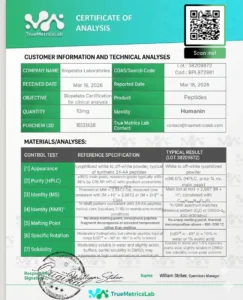
Only logged in customers who have purchased this product may leave a review.
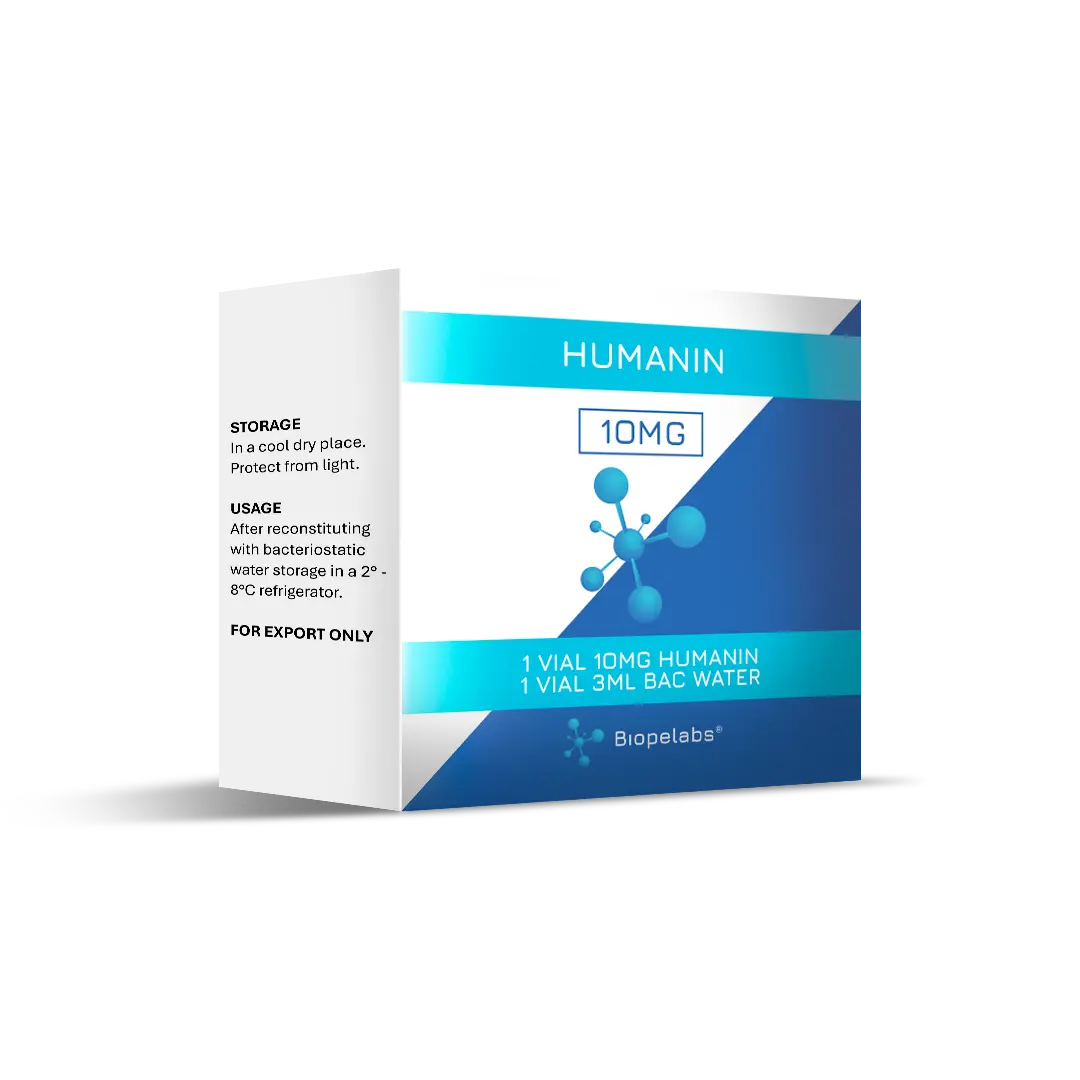
| Weight | 40 g |
|---|---|
| Dimensions | 7 × 3,6 × 8 cm |



Reviews
There are no reviews yet.