

You may also like…

Discover Our Complete Catalog
Browse our full peptide catalog and explore additional compounds. Click any product to view its details and discover more research solutions.

1. 5-Amino-1MQ 10mg
2. 5-Amino-1MQ 50mg
3. ACE-031 1mg
4. ACTH 1-39 5mg
5. Adamax 5mg
6. AHK-Cu 50mg
7. AICAR 50mg
8. AICAR 100mg
9. AOD-9604 5mg
10. AOD-9604 10mg
11. Alprostadil 20mcg
12. Amylin 5mg
13. Angiotensin (1–7) 5mg
14. ARA-290 10mg
15. Bimagrumab 5mg
16. Botulinum Toxin 100IU
17. BPC-157 10mg
18. BPC-157 20mg
19. BPC-157 5mg + TB-500 5mg
20. BPC-157 10mg + TB-500 10mg
21. Bronchogen 20mg
22. Cagrilintide 10mg
23. Cagrilintide 20mg
24. Cardiogen 20mg
25. Cartalax 20mg
26. CBL-514 10mg
27. CBL-514 20mg
28. CBL-514 30mg
29. Cerebrolysin 60mg
30. Cerlankin 2mg
31. CGRP (Calcitonin Gene-Related Peptide) 1mg
32. CJC-1295 with DAC 5mg
33. CJC-1295 with DAC 10mg
34. CJC-1295 with DAC 5mg + Ipamorelin 5mg
35. CJC-1295 without DAC 5mg
36. CJC-1295 without DAC 10mg
37. CJC-1295 without DAC 5mg + Ipamorelin 5mg
38. Chonluten 20mg
39. Cortagen 20mg
40. Crystagen 20mg
41. CT-1 Cardiotrophin-1 5mg
42. Dermorphin 5mg
43. Dihexa 5mg
44. DSIP 5mg
45. Dulaglutide 5mg
46. Elabela Apelin 5mg
47. Enfuvirtide 90mg
48. Epithalon 5mg
49. Epithalon 40mg
50. Epithalon 50mg
51. EPO 3000IU
52. FGF21 10mg
53. Follistatin-344 1mg
54. FOXO4 10mg
55. GHK-Cu 50mg
56. GHK-Cu 100mg
57. Ghrelin 10mg
58. GHRP-2 5mg
59. GHRP-6 5mg
60. Glucagon 1mg
61. Glutathione 1500mg
62. Gonadorelin Acetate 2mg
63. Goserelin 10mg
64. GLOW BPC-157 10mg + GHK-Cu 50mg + TB-500 10mg
65. HGH 191AA 15IU
66. HGH 191AA 36IU
67. HGH Fragment 176-191 10mg
68. HGH Fragment 176-191 15mg
69. HMG (Human Menopausal Gonadotropin) 75IU
70. Humanin 10mg
71. Hyaluronic Acid 5mg
72. Hexarelin Acetate 2mg
73. Hexarelin Acetate 5mg
74. IGF-1 LR3 1mg
75. Ipamorelin 5mg
76. Ipamorelin 10mg
77. Kisspeptin-10 5mg
78. Kisspeptin-10 10mg
79. KLOW BPC-157 10mg + GHK-Cu 50mg + TB-500 10mg + KPV 10mg
80. KPV 10mg
81. Leuprolide Acetate 10mg
82. Liraglutide 5mg
83. Livagen 20mg
84. LL-37 5mg
85. Lysyl Oxidase 30mg
86. Matrixyl 10mg
87. Mazdutide 10mg
88. Melanotan I 10mg
89. Melanotan II 10mg
90. Melatonin 10mg
91. MGF 2mg
92. MOTS-c 10mg
93. MOTS-c 40mg
94. NAD+ 100mg
95. NAD+ 500mg
96. NAD+ 1000mg
97. Nesiritide 5mg
98. Neuropeptide Y (NPY) 10mg
99. Ovagen 20mg
100. Oxytocin Acetate 5mg
101. Oxytocin Acetate 10mg
102. P21 5mg
103. P21 10mg
104. PACAP 5mg
105. Pancragen 20mg
106. PE 22-28 10mg
107. PEG-MGF 2mg
108. Pinealon 5mg
109. Pinealon 10mg
110. Pinealon 20mg
111. PNC-27 5mg
112. PNC-27 10mg
113. Prostamax 20mg
114. PT-141 10mg
115. PTH Fragments 10mg
116. Relamorelin 5mg
117. Retatrutide 10mg
118. Retatrutide 20mg
119. Retatrutide 30mg
120. Retatrutide 40mg
121. Retatrutide 60mg
122. Retatrutide 5mg + Cagrilintide 5mg
123. Selank 5mg
124. Selank 10mg
125. Semaglutide 5mg + Cagrilintide 5mg
126. Semax 5mg
127. Sermorelin 5mg
128. SLU-PP-332 10mg
129. SNAP-8 10mg
130. SS-31 10mg
131. SS-31 50mg
132. Survodutide 10mg
133. TB-500 10mg
134. TB-500 (FRAG) 10mg
135. Teduglutide 5mg
136. Teriparatide 10mg
137. Tesamorelin 5mg
138. Tesamorelin 10mg
139. Tesamorelin 20mg
140. Tesamorelin 5mg + Ipamorelin 5mg
141. Tesofensine 1mg
142. Testagen 20mg
143. Thymalin 10mg
144. Thymosin Alpha-1 5mg
145. Thymosin Alpha-1 10mg
146. Treprostinil 5mg
147. Vesugen 20mg
148. VIP 5mg
149. VIP 10mg
150. Vilon 20mg

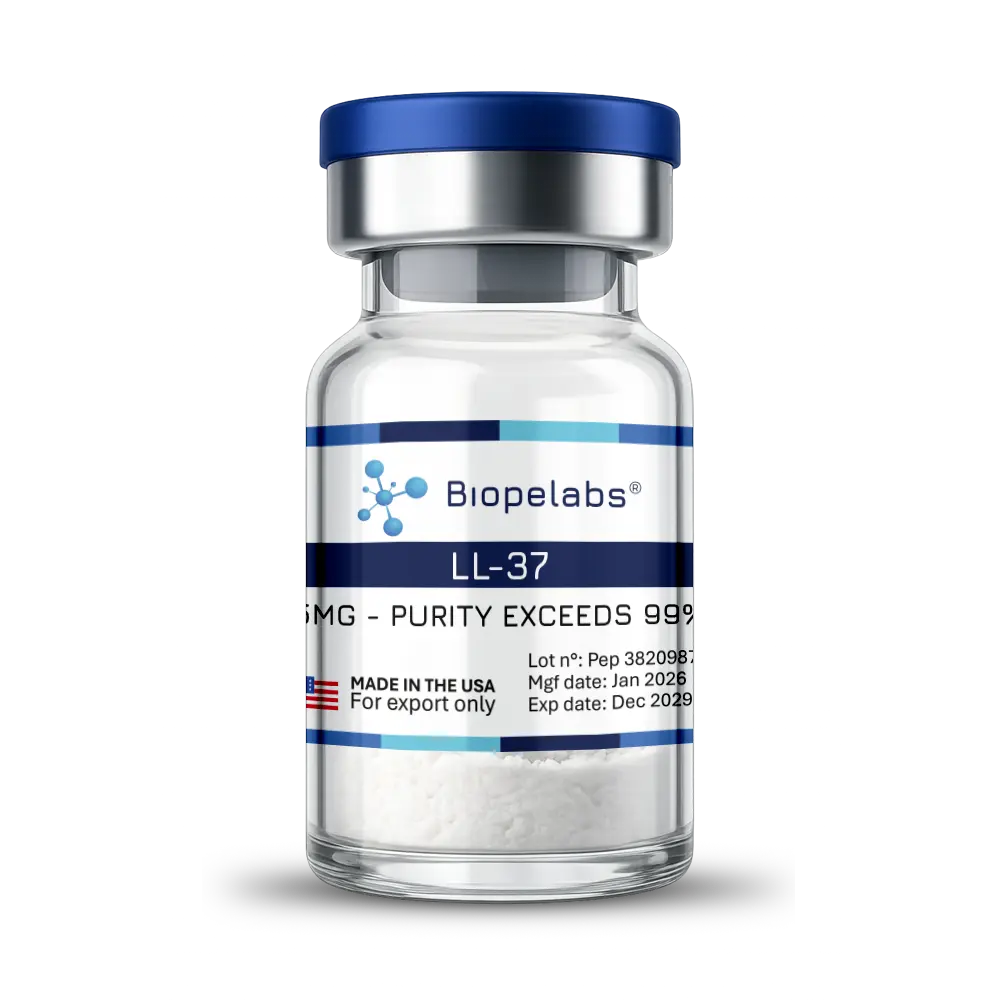
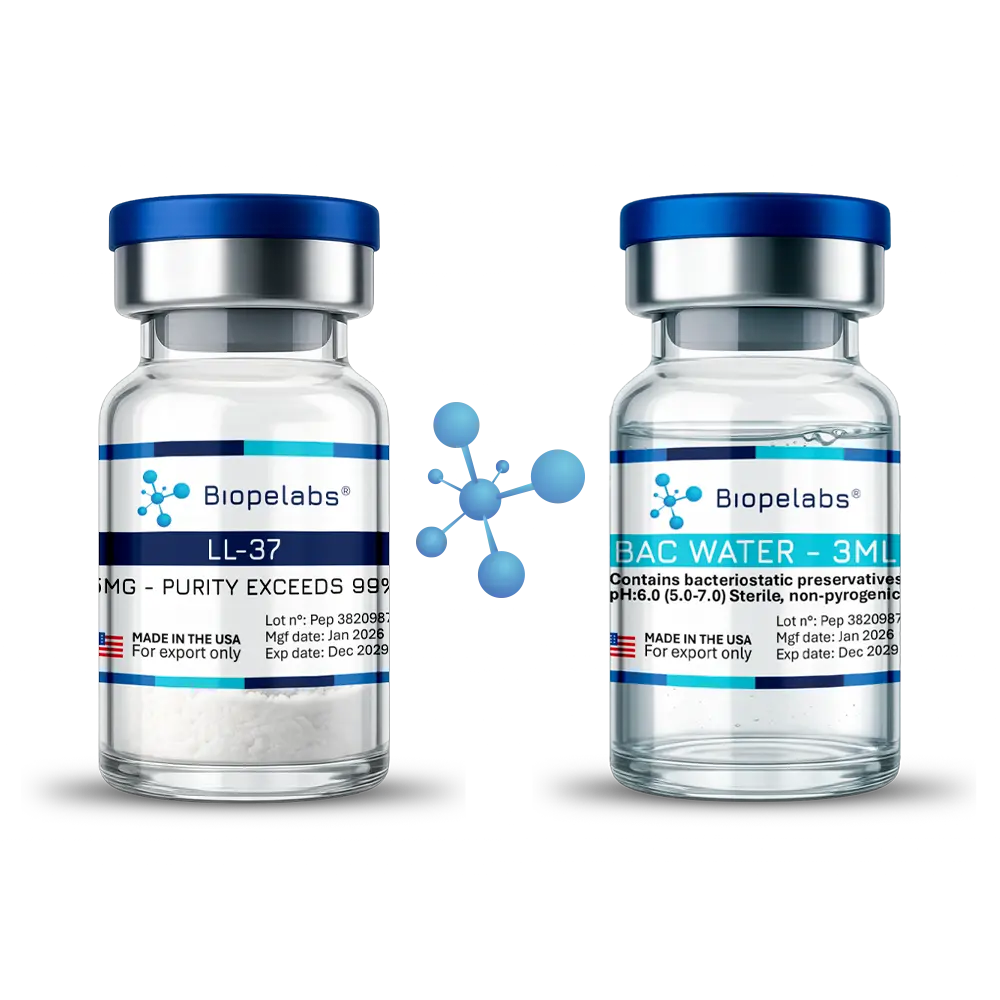
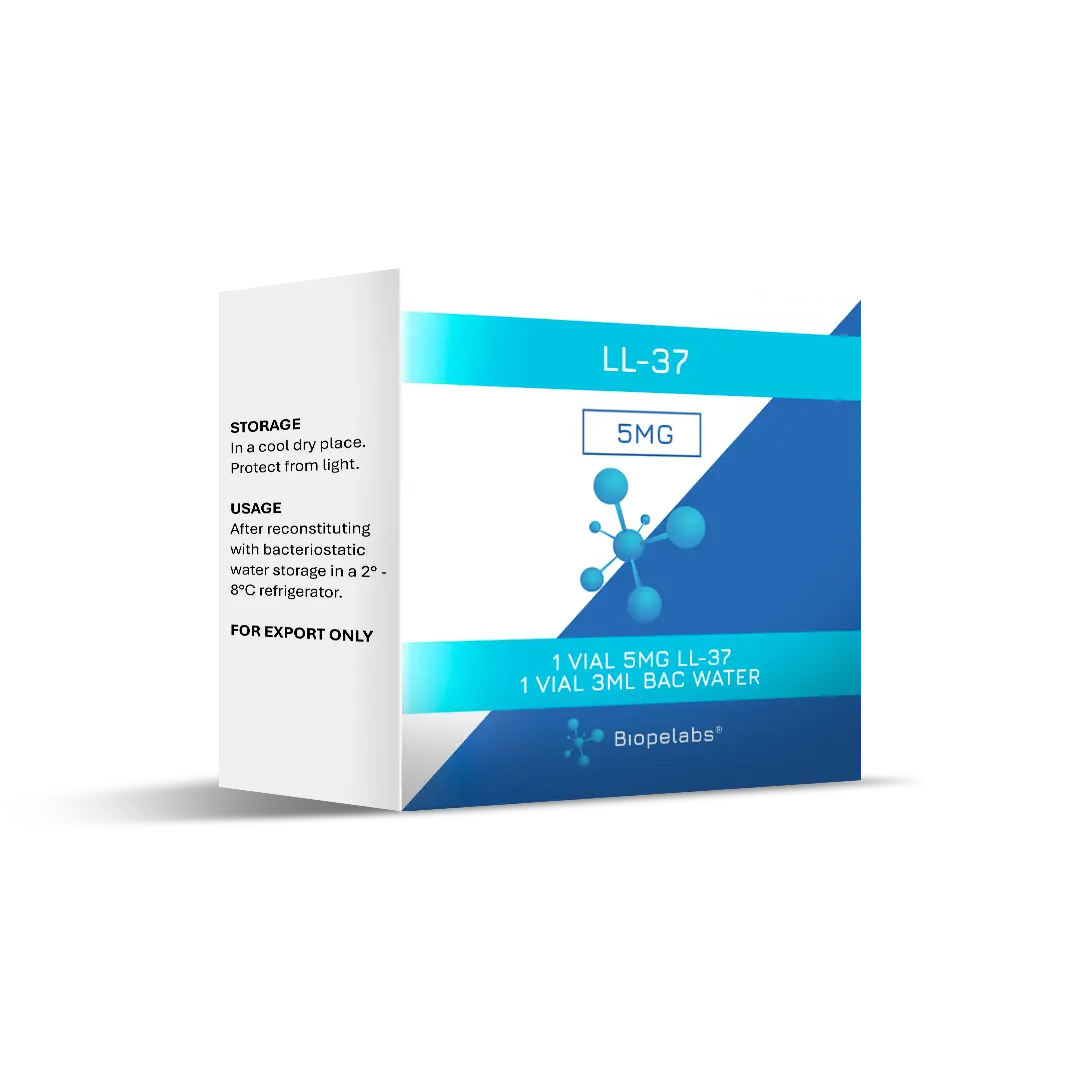
LL-37 5mg

Combats microorganisms / peptide with antimicrobial action

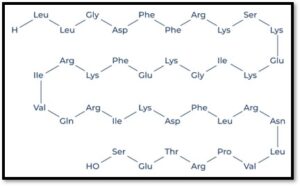
LL-37 is a 37-amino acid peptide derived from the C-terminal part of the human cathelicidin protein (hCAP-18). It possesses broad antimicrobial activity against bacteria (both Gram-positive and Gram-negative), fungi, and some viruses

R$888,00

20 in stock

Warning — For Research Use Only

Scientific content intended for research laboratories only. It is not a clinical, therapeutic, or diagnostic recommendation. Use is restricted to qualified professionals. Consult specialists before purchasing or using. Biopelabs reinforces its commitment to ethical and responsible use.

Description

LL-37 is a multifunctional antimicrobial peptide that acts as a critical component of the innate immune system. Derived from the C-terminal end of the human cathelicidin protein hCAP-18, this 37-amino acid peptide is produced by various cell types, including neutrophils, macrophages, and epithelial cells.


Beyond its direct antimicrobial activities against bacteria, viruses, and fungi, LL-37 exhibits notable immunomodulatory functions, such as chemotaxis, promotion of wound healing, and regulation of inflammation. It achieves this versatility by interacting with cell membranes and various receptors, modifying immune cell responses.


Due to its therapeutic potential, LL-37 has become a significant focus of research for developing novel antimicrobial agents, especially against antibiotic-resistant pathogens, as well as treatments for inflammatory conditions and wound management.


Important Information

Properties Value
Molecular Formula C₂₀₅H₃₄₀N₆₀O₅₃
Molecular Weight 4493 g/mol
Synonyms CAP-18, Cathelicidin, LL-37 antibacterial peptide, 154947-66-7, Ropocamptide


LL-37 Peptide Core Structure

LL-37

Source: Científico


Lyophilized Peptides
The peptides undergo a lyophilization process, a technique that enhances stability and shelf life while preserving purity and molecular structure throughout storage. It is important to note that no fillers are used during this procedure.

Intended Use
Biopelabs states: this material is provided exclusively as a chemical input for research purposes. Its use is restricted to in vitro assays and experimental activities in laboratory settings. The information presented is strictly for informational and educational purposes. Handling must be carried out only by properly qualified professionals. This product is not classified as a drug, food, or cosmetic and must not be used, marketed, or described as such.

Research

Scientific Research on LL-37 (the only cathelicidin family peptide found in humans, widely studied for its pleiotropic properties)

LL-37 is a 37-amino acid antimicrobial peptide (AMP), derived from the proteolytic cleavage of the precursor protein hCAP-18 (human Cationic Antimicrobial Protein, 18 kDa). It features an amphipathic alpha-helical structure and a net positive charge (+6). It is expressed predominantly in neutrophils, epithelial cells, and immune cells in response to infection and inflammation, acting as a critical component of innate immunity.

Mechanism of Action and Inhibition

LL-37 operates through two distinct mechanisms:

  • Direct Antimicrobial Action: Due to its amphipathic nature, LL-37 interacts with bacterial membranes (rich in anionic lipids). It inserts into the lipid bilayer following either the "carpet model" or "toroidal pore formation," leading to osmotic lysis of the pathogen.
  • Immune Modulation: It acts as a ligand for various cellular receptors, including FPR2 (Formyl Peptide Receptor 2) and the P2X7 purinergic receptor. This results in immune cell chemotaxis and modulation of cytokine release.
  • Inhibition: LL-37 activity can be inhibited by bacterial proteases and by high levels of salts or glycosaminoglycans in the extracellular matrix, which can sequester the peptide and prevent its interaction with target membranes.

Metabolic Impacts Scientifically Investigated to Date

Investigations into LL-37 reveal profound impacts on tissue and inflammatory metabolism:

  1. Angiogenesis: LL-37 stimulates the formation of new blood vessels by interacting with receptors on endothelial cells, a vital process for tissue oxygenation.
  2. Wound Healing and Re-epithelialization: It promotes keratinocyte proliferation and migration, accelerating wound closure.
  3. Endotoxin Neutralization: It possesses high affinity for Lipopolysaccharide (LPS) from Gram-negative bacteria, preventing LPS from activating the TLR4 receptor and triggering a cytokine storm (sepsis).

Investigations in Oncological Models

The role of LL-37 in oncology is complex and tumor microenvironment-dependent, exhibiting a dual nature:

  • Pro-tumorigenic Effect: In lung, breast, and ovarian cancers, elevated LL-37 levels can promote cell proliferation and tumor angiogenesis, aiding neoplastic progression.
  • Anti-tumorigenic Effect: In contrast, models of colon and gastric cancer suggest that LL-37 can induce apoptosis in malignant cells and suppress tumor growth through the activation of specific pro-apoptotic signaling pathways.


Specific Action of the LL-37 Peptide

The most notable specific action is its ability to bind and neutralize exogenous nucleic acids. LL-37 can form complexes with circulating DNA or RNA (often released during cell death or viral infection), facilitating their entry into dendritic cells via TLR9 and TLR7 receptors. This action is a major focus of research in autoimmune diseases such as psoriasis.

Pharmacokinetic Considerations in Research

  • Stability: In biological fluids, LL-37 is susceptible to degradation by proteases such as neutrophil elastase and cathepsins, which limits its systemic half-life.
  • Bioavailability: Due to its size and charge, systemic administration faces stability challenges; therefore, topical application or the use of delivery vehicles (nanoparticles and liposomes) are the most explored routes in research.
  • Elimination: Fragments resulting from proteolytic cleavage are processed and eliminated via conventional renal pathways.

Other Important Research Relationships

LL-37 has an important synergistic relationship with Vitamin D. The expression of the CAMP gene (which encodes hCAP-18) is directly regulated by the vitamin D receptor (VDR). Research indicates that Vitamin D deficiency compromises LL-37 production, reducing the innate capacity to combat respiratory pathogens.

Final Considerations

LL-37 transcends the simple definition of a "natural antibiotic," positioning itself as a central signaling molecule at the interface between innate and adaptive immunity. Although its dual nature in oncology requires caution, its potential as a wound-healing agent and bacterial toxin neutralizer makes it one of the most versatile peptides in current biomedical research.
References

  • Vandamme, D., Landuyt, B., & Luyten, W. (2012). A critical review on the role of LL-37 in immunity and oncology. Peptides, 37. https://doi.org/10.1016/j.peptides.2012.08.013
  • Koczulla, R., von Degenfeld, G., & Kupatt, C. (2003). Angiogenesis induced by the human cathelicidin LL-37. Journal of Clinical Investigation, 111. https://doi.org/10.1172/JCI16609
  • Zhang, Z., Cherryholmes, G., & Shively, J. E. (2024). Signaling mechanisms and impact of LL-37 on the tumor microenvironment. International Journal of Molecular Sciences, 25. https://doi.org/10.3390/ijms25042100

COAs

LAL Endotoxin Test Report

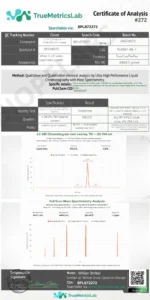
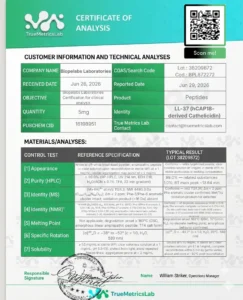
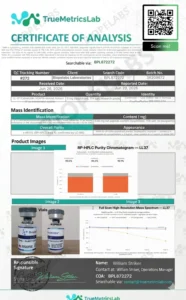
Certificate of Analysis (Including Product Images)

Certificate of Analysis (General / Physicochemical)

Certificate of Analysis (Analytical Method Details) ✅

Reviews

There are no reviews yet.

Only logged in customers who have purchased this product may leave a review.

Additional information

Weight 40 g
Dimensions 7 × 3,6 × 8 cm

Related peptides

You may also like…

Fill out the form