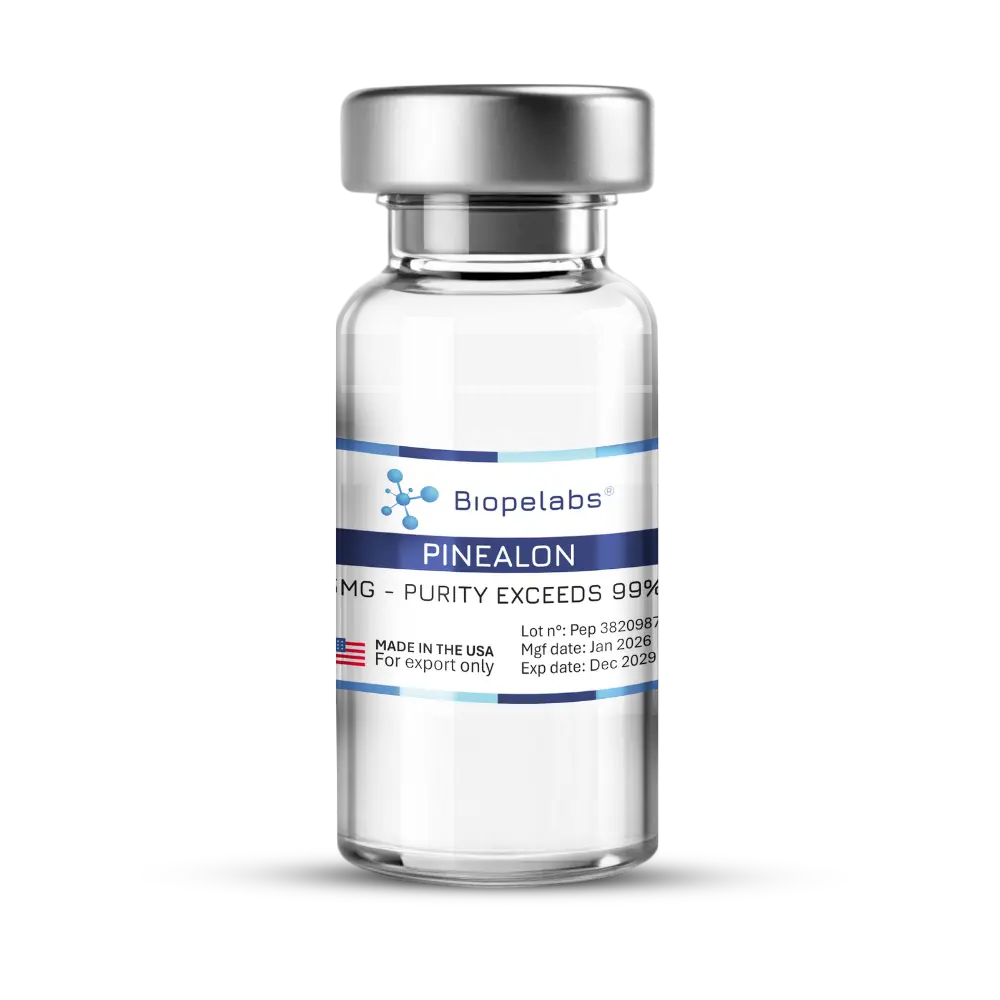
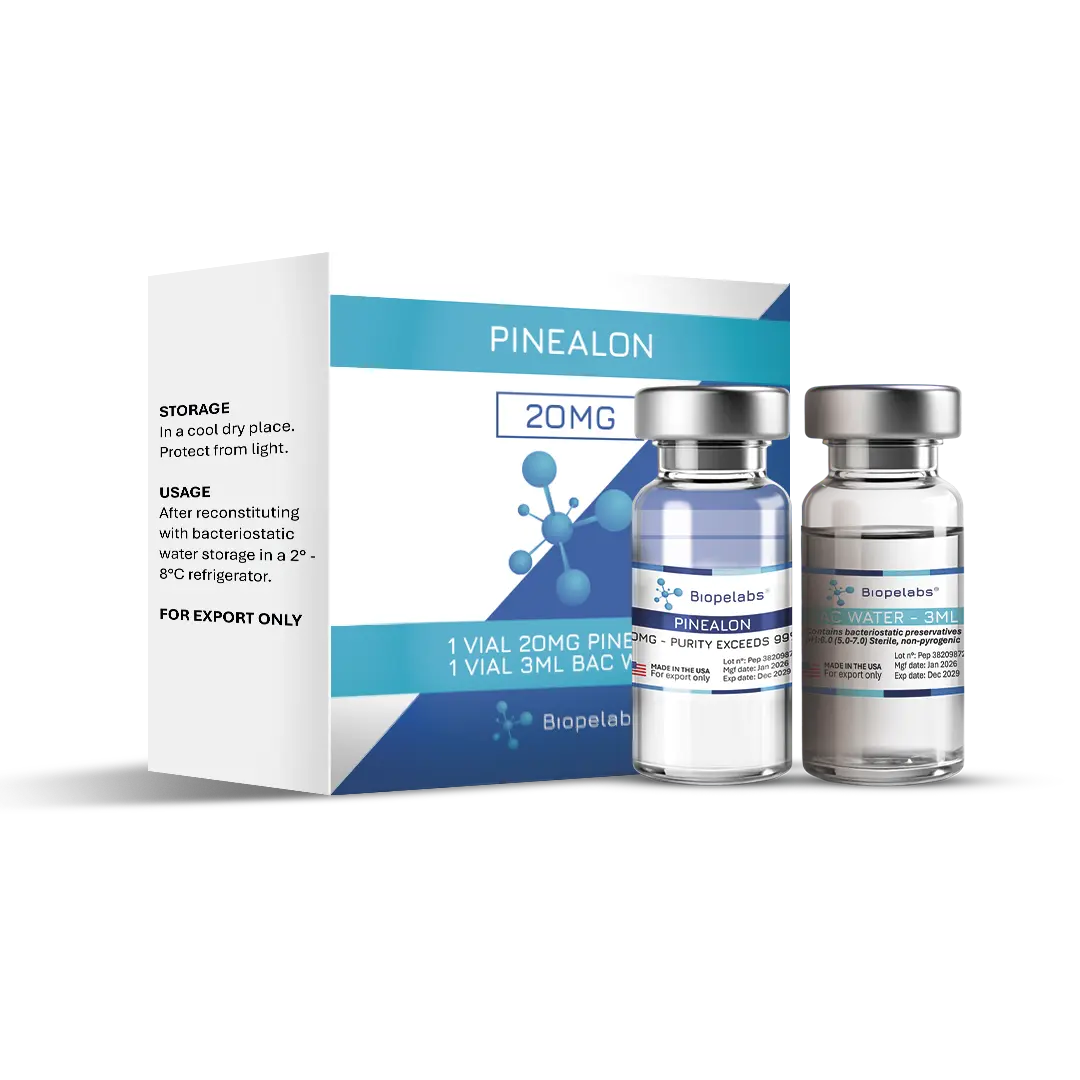
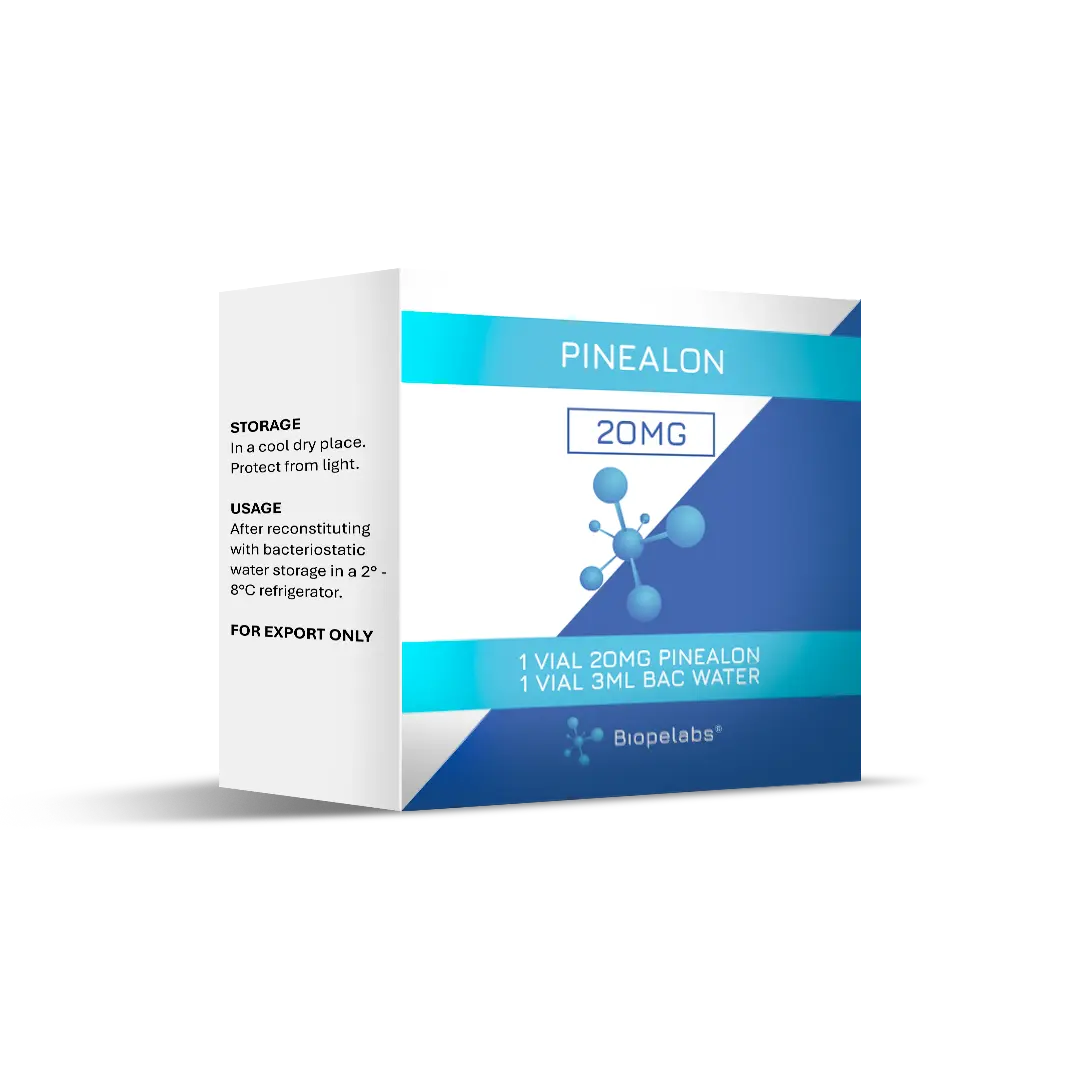


PINEALON 20mg

Enhances memory / modulates neurotransmitters for immediate memory performance

Pinealon is a synthetic tripeptide composed of Glu‑Asp‑Arg. It has been studied for its potential neuroprotective and antioxidant properties and has shown promise in several experimental models, particularly in relation to oxidative stress and neurodegenerative conditions.

R$895,00

Out of stock

Wholesale pricing
From (units) Packing multiple Unit price
30 multiples of 10 R$795,00
500 multiples of 10 R$695,00
3.000 multiples of 10 R$596,00
  • Different peptide types should not be mixed in the same box.
  • Payment method for wholesale orders: USDT (TRC-20).
  • Shipping cost is charged separately.
  • Wholesale requests are handled outside the regular website checkout.
Retail quantities below 30 units continue through the normal purchase flow.

Warning — For Research Use Only

Scientific content intended for research laboratories only. It is not a clinical, therapeutic, or diagnostic recommendation. Use is restricted to qualified professionals. Consult specialists before purchasing or using. Biopelabs reinforces its commitment to ethical and responsible use.

Description

Pinealon is a synthetic tripeptide‑based bioregulator composed of the amino acids L‑glutamic acid, L‑aspartic acid, and L‑arginine (Glu‑Asp‑Arg / EDR). Classified as a cytogene, it interacts directly with DNA to modulate gene expression, distinguishing it from receptor‑dependent peptides. Developed within the Russian “bioregulator” concept as a neuroprotective agent, Pinealon acts on the pineal gland and the central nervous system with multimodal biological activity.

Key Information

Property Value
Chemical formula C₁₅H₂₆N₆O₈
Molecular weight 418.40 g/mol
Synonyms Glutamylaspartylarginine, Glu‑Asp‑Arg, H‑Glu‑Asp‑Arg‑OH, L‑Glu‑L‑Asp‑L‑Arg, 175175‑23‑2


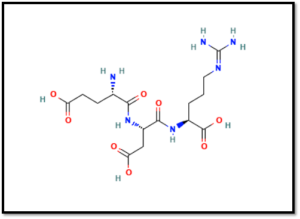
 Main structure of the Pinealon peptide

Fonte: PubChem


Lyophilized Peptides

Pinealon, like other research peptides, is provided as a lyophilized powder. Lyophilization enhances stability and shelf life while preserving purity and molecular structure during storage. No fillers or bulking agents are added during this process.


Intended Use

Biopelabs advises: this material is provided exclusively as a chemical reagent for research purposes. Its use is restricted to in vitro assays and experimental work in a controlled laboratory setting. The information provided is strictly educational and informational. Handling must be performed only by qualified professionals. This product is not classified as a medicine, food, or cosmetic and must not be used, marketed, or described as such.

Research

PINEALON

Scientific Studies on Pinealon (EDR)

This document provides a technical overview of Pinealon, a synthetic tripeptide developed within the framework of peptide‑based bioregulation, with a focus on its action in the central nervous system (CNS) and in cellular‑aging mechanisms.

Pinealon is a synthetic tripeptide with the amino‑acid sequence Glu‑Asp‑Arg (glutamic acid‑aspartic acid‑arginine). It was developed at the Institute of Bioregulation and Gerontology in Saint Petersburg as a “short‑chain bioregulator.” The underlying concept is that short peptides can act as epigenetic signaling molecules, regulating gene expression and protein synthesis in specific tissues—in this case, the brain and pineal gland. Due to its low molecular weight, Pinealon readily crosses the blood–brain barrier and shows minimal immunogenicity.


Mechanism of Action and Inhibition

Pinealon’s primary mechanism of action is epigenetic and neuroprotective.

  • Interaction with Chromatin: Research suggests that the EDR tripeptide may bind to specific nucleotide sequences in DNA (major or minor grooves), altering chromatin condensation status and facilitating transcription of neurotrophic genes.
  • Modulation of Caspases: Pinealon has shown capacity to inhibit the activation of pro‑apoptotic caspases (notably caspase‑3) in neurons under oxidative stress or hypoxia.
  • Reduction of Oxidative Stress: The peptide modulates levels of reactive oxygen species (ROS), protecting neuronal mitochondria against lipid peroxidation.
  • Inhibition of Protein Aggregation: Experimental studies investigate its ability to mitigate the formation of abnormal protein aggregates common in neurodegenerative pathologies.


Investigated Metabolic Effects

Although its main action is central, Pinealon influences systemic homeostasis.

  • Circadian‑Rhythm Regulation: Acting on the pineal gland, Pinealon helps normalize melatonin synthesis, which in turn modulates glucose metabolism and cortisol secretion.
  • Cerebral Energy Metabolism: Studies indicate improved efficiency of glucose utilization by neurons and astrocytes under experimental ischemia.
  • Stress Resistance: The peptide modulates the hypothalamic‑pituitary‑adrenal (HPA) axis, supporting metabolic recovery after prolonged psychophysical stress.


Research in Oncologic Models

Pinealon’s investigation in oncologic models is closely linked to its classification as a geroprotector.

  • Genomic Stability: By helping maintain chromatin structure, Pinealon may reduce the frequency of chromosome mutations associated with aging and carcinogenesis.
  • Indirect Antitumor Activity: In animal models of accelerated aging, treatment with peptide bioregulators such as Pinealon has been associated with lower incidence of spontaneous tumors, likely due to optimized immune surveillance and reduced cellular senescence (SASP).
  • Absence of Mitogenic Effects: Unlike larger growth factors, Pinealon has not shown stimulation of malignant‑cell proliferation in in vitro assays.


Pharmacokinetic Considerations in Research

  • Bioavailability: As a tripeptide, Pinealon exhibits relatively high gastrointestinal stability compared with longer peptides, enabling oral‑route studies, although subcutaneous (SC) and intramuscular (IM) routes remain the standard in research protocols.
  • Half‑life: Like most short peptides, its plasma half‑life is brief (minutes), but its pharmacodynamic effects—such as gene‑expression modulation—can persist for weeks after a treatment cycle.
  • Distribution: The peptide shows high affinity for CNS tissues, crossing the blood–brain barrier via passive diffusion and potentially carrier‑mediated transport.

Other Research‑Relevant Associations

  • Traumatic Brain Injury (TBI): Clinical studies in veterans and athletes explore Pinealon to accelerate cognitive recovery and reduce post‑concussion neurological sequelae.
  • Interaction with Epitalamine (Epitalon): Pinealon is often studied alongside other peptides such as Epitalamine/Epitalon to assess synergistic effects on cellular lifespan and telomere‑related pathways.
  • Cognitive Enhancement: In models of chronic fatigue, Pinealon has demonstrated restoration of short‑term memory and psychomotor speed.


Final Considerations

Pinealon (EDR) is positioned as a key research tool in the field of epigenetic‑precision medicine. Its ability to modulate brain function at the transcriptional level, without many of the side‑effect profiles of conventional psychotropic drugs, makes it a high‑interest candidate for studies on neurodegenerative disorders and age‑related cognitive decline.


Chemical and Structural Data

Glu‑Asp‑Arg / glutamyl‑aspartyl‑arginine / L‑glutamyl‑L‑aspartyl‑L‑arginine (Pinealon)
Compound CID: 10273502
Molecular formula: C₁₅H₂₆N₆O₈
Molecular weight: 418.4 g/mol
IUPAC name:
(4S)‑4‑amino‑5‑[[(2S)‑3‑carboxy‑1‑[[(1S)‑1‑carboxy‑4‑(diaminomethylideneamino)butyl]amino]‑1‑oxopropan‑2‑yl]amino]‑5‑oxopentanoic acid
(Source: PubChem)


References

Khavinson, V. K., Linkova, N. S., & Diatlova, A. S. (2020). Peptides Regulate the Expression of Genes Involved in the Development of Alzheimer’s Disease. Bulletin of Experimental Biology and Medicine, 168. https://doi.org/10.1007/s10517‑020‑04731‑z

Khavinson, V. K., Tendler, S. M., & Vanyushin, B. F. (2014). Peptide Regulation of Gene Expression: A New Approach to Curative and Preventive Medicine. In: Epigenetics of Aging (pp. 299–316). Springer. https://doi.org/10.1007/978‑94‑017‑9153‑3_16

Lin’kova, N. S., Polyakova, V. O., & Khavinson, V. K. (2021). Pinealon and Brain Aging: Effects on Neurogenesis and Apoptosis. Advances in Gerontology, 11(2). https://doi.org/10.1134/S207905702102010X

Myong, S., Nguyen, A., & Challa, S. (2024). Biological functions and therapeutic potential of NAD+ metabolism in gynecological cancers. Cancers, 16. https://doi.org/10.3390/cancers16173085

(Note: The Pinealon‑related studies summarized above are consistent with the broader body of work described in Khavinson et al. and related bioregulator‑peptide literature.)

COAs

Reviews

There are no reviews yet.

Only logged in customers who have purchased this product may leave a review.

Fill out the form