Discover Our Complete Catalog
Browse our full peptide catalog and explore additional compounds. Click any product to view its details and discover more research solutions.

1. 5-Amino-1MQ 10mg
2. 5-Amino-1MQ 50mg
3. ACE-031 1mg
4. ACTH 1-39 5mg
5. Adamax 5mg
6. AHK-Cu 50mg
7. AICAR 50mg
8. AICAR 100mg
9. AOD-9604 5mg
10. AOD-9604 10mg
11. Alprostadil 20mcg
12. Amylin 5mg
13. Angiotensin (1–7) 5mg
14. ARA-290 10mg
15. Bimagrumab 5mg
16. Botulinum Toxin 100IU
17. BPC-157 10mg
18. BPC-157 20mg
19. BPC-157 5mg + TB-500 5mg
20. BPC-157 10mg + TB-500 10mg
21. Bronchogen 20mg
22. Cagrilintide 10mg
23. Cagrilintide 20mg
24. Cardiogen 20mg
25. Cartalax 20mg
26. CBL-514 10mg
27. CBL-514 20mg
28. CBL-514 30mg
29. Cerebrolysin 60mg
30. Cerlankin 2mg
31. CGRP (Calcitonin Gene-Related Peptide) 1mg
32. CJC-1295 with DAC 5mg
33. CJC-1295 with DAC 10mg
34. CJC-1295 with DAC 5mg + Ipamorelin 5mg
35. CJC-1295 without DAC 5mg
36. CJC-1295 without DAC 10mg
37. CJC-1295 without DAC 5mg + Ipamorelin 5mg
38. Chonluten 20mg
39. Cortagen 20mg
40. Crystagen 20mg
41. CT-1 Cardiotrophin-1 5mg
42. Dermorphin 5mg
43. Dihexa 5mg
44. DSIP 5mg
45. Dulaglutide 5mg
46. Elabela Apelin 5mg
47. Enfuvirtide 90mg
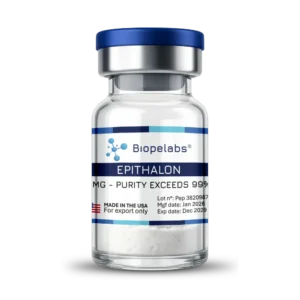
48. Epithalon 5mg
49. Epithalon 40mg
50. Epithalon 50mg
51. EPO 3000IU
52. FGF21 10mg
53. Follistatin-344 1mg
54. FOXO4 10mg
55. GHK-Cu 50mg
56. GHK-Cu 100mg
57. Ghrelin 10mg
58. GHRP-2 5mg
59. GHRP-6 5mg
60. Glucagon 1mg
61. Glutathione 1500mg
62. Gonadorelin Acetate 2mg
63. Goserelin 10mg
64. GLOW BPC-157 10mg + GHK-Cu 50mg + TB-500 10mg
65. HGH 191AA 15IU
66. HGH 191AA 36IU
67. HGH Fragment 176-191 10mg
68. HGH Fragment 176-191 15mg
69. HMG (Human Menopausal Gonadotropin) 75IU
70. Humanin 10mg
71. Hyaluronic Acid 5mg
72. Hexarelin Acetate 2mg
73. Hexarelin Acetate 5mg
74. IGF-1 LR3 1mg
75. Ipamorelin 5mg
76. Ipamorelin 10mg
77. Kisspeptin-10 5mg
78. Kisspeptin-10 10mg
79. KLOW BPC-157 10mg + GHK-Cu 50mg + TB-500 10mg + KPV 10mg
80. KPV 10mg
81. Leuprolide Acetate 10mg
82. Liraglutide 5mg
83. Livagen 20mg
84. LL-37 5mg
85. Lysyl Oxidase 30mg
86. Matrixyl 10mg
87. Mazdutide 10mg
88. Melanotan I 10mg
89. Melanotan II 10mg
90. Melatonin 10mg
91. MGF 2mg
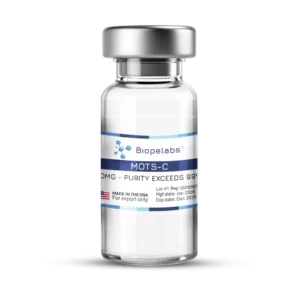
92. MOTS-c 10mg
93. MOTS-c 40mg
94. NAD+ 100mg
95. NAD+ 500mg
96. NAD+ 1000mg
97. Nesiritide 5mg
98. Neuropeptide Y (NPY) 10mg
99. Ovagen 20mg
100. Oxytocin Acetate 5mg
101. Oxytocin Acetate 10mg
102. P21 5mg
103. P21 10mg
104. PACAP 5mg
105. Pancragen 20mg
106. PE 22-28 10mg
107. PEG-MGF 2mg
108. Pinealon 5mg
109. Pinealon 10mg
110. Pinealon 20mg
111. PNC-27 5mg
112. PNC-27 10mg
113. Prostamax 20mg
114. PT-141 10mg
115. PTH Fragments 10mg
116. Relamorelin 5mg
117. Retatrutide 10mg
118. Retatrutide 20mg
119. Retatrutide 30mg
120. Retatrutide 40mg
121. Retatrutide 60mg
122. Retatrutide 5mg + Cagrilintide 5mg
123. Selank 5mg
124. Selank 10mg
125. Semaglutide 5mg + Cagrilintide 5mg
126. Semax 5mg
127. Sermorelin 5mg
128. SLU-PP-332 10mg
129. SNAP-8 10mg
130. SS-31 10mg
131. SS-31 50mg
132. Survodutide 10mg
133. TB-500 10mg
134. TB-500 (FRAG) 10mg
135. Teduglutide 5mg
136. Teriparatide 10mg
137. Tesamorelin 5mg
138. Tesamorelin 10mg
139. Tesamorelin 20mg
140. Tesamorelin 5mg + Ipamorelin 5mg
141. Tesofensine 1mg
142. Testagen 20mg
143. Thymalin 10mg
144. Thymosin Alpha-1 5mg
145. Thymosin Alpha-1 10mg
146. Treprostinil 5mg
147. Vesugen 20mg
148. VIP 5mg
149. VIP 10mg
150. Vilon 20mg

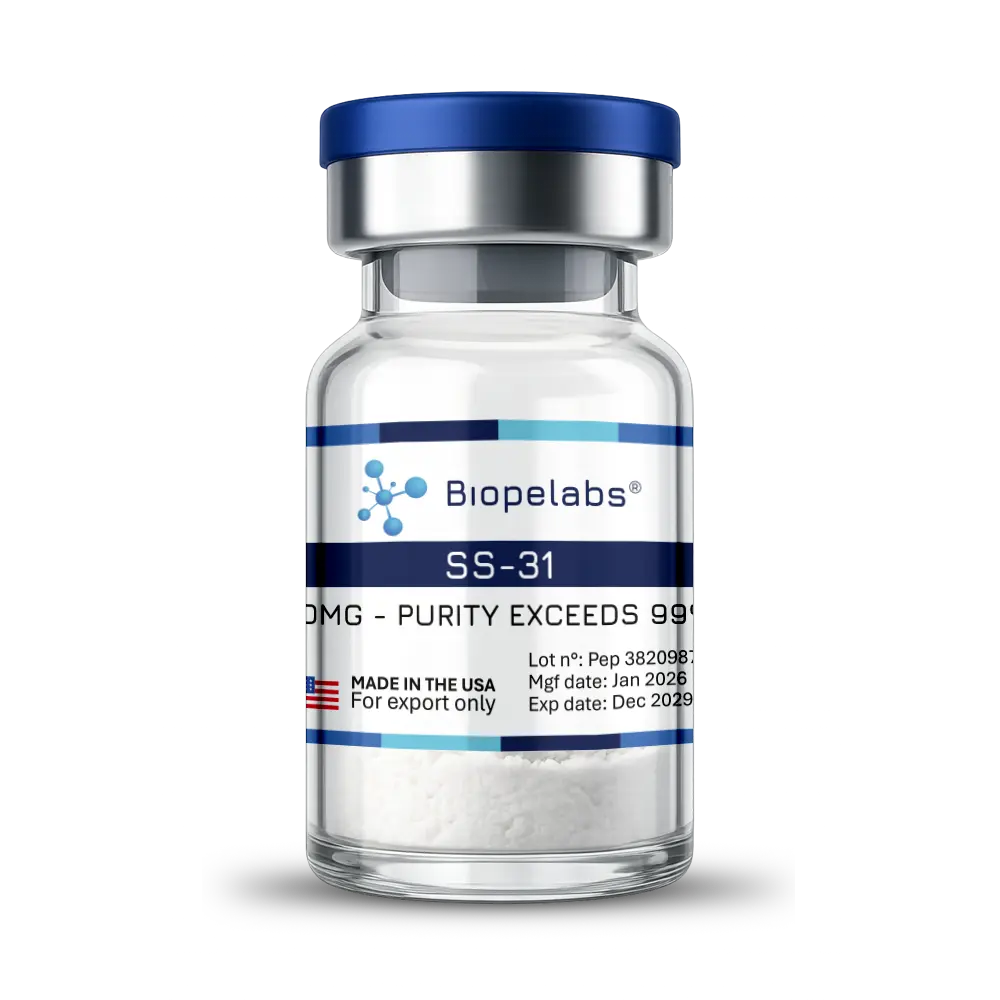
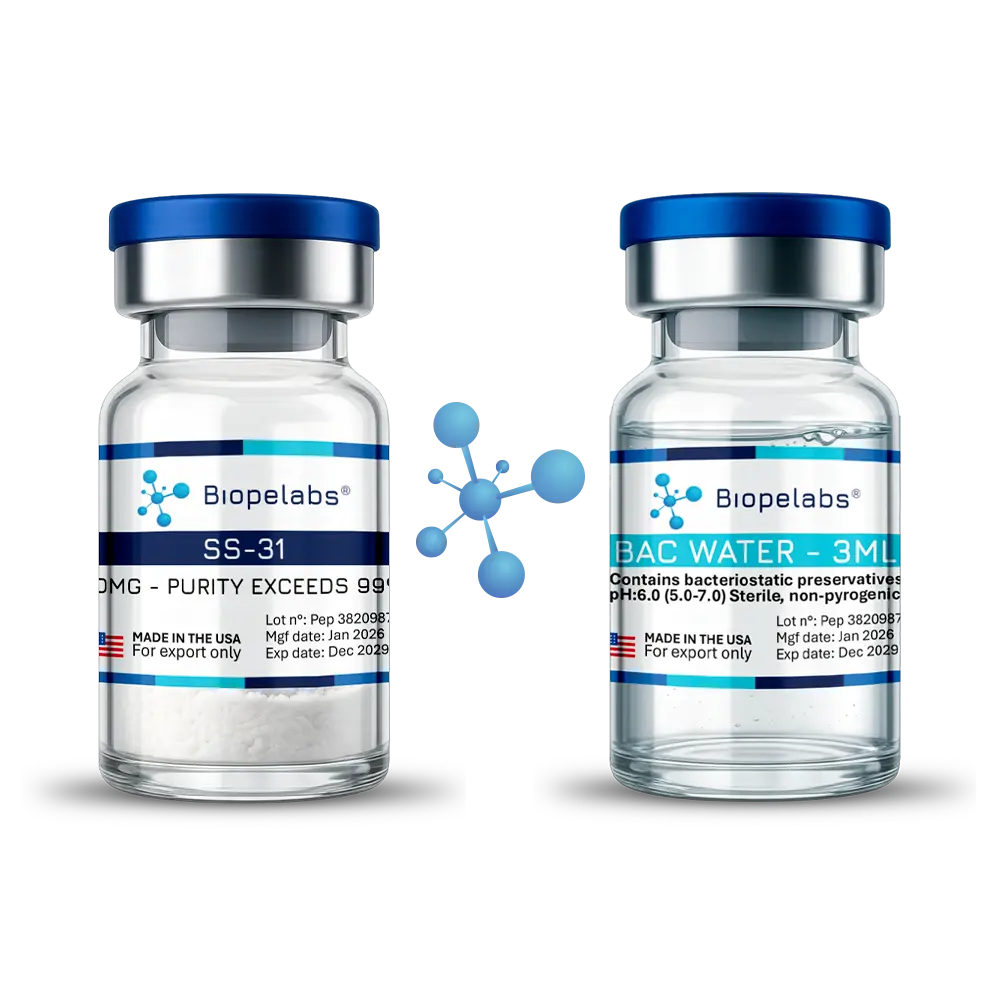
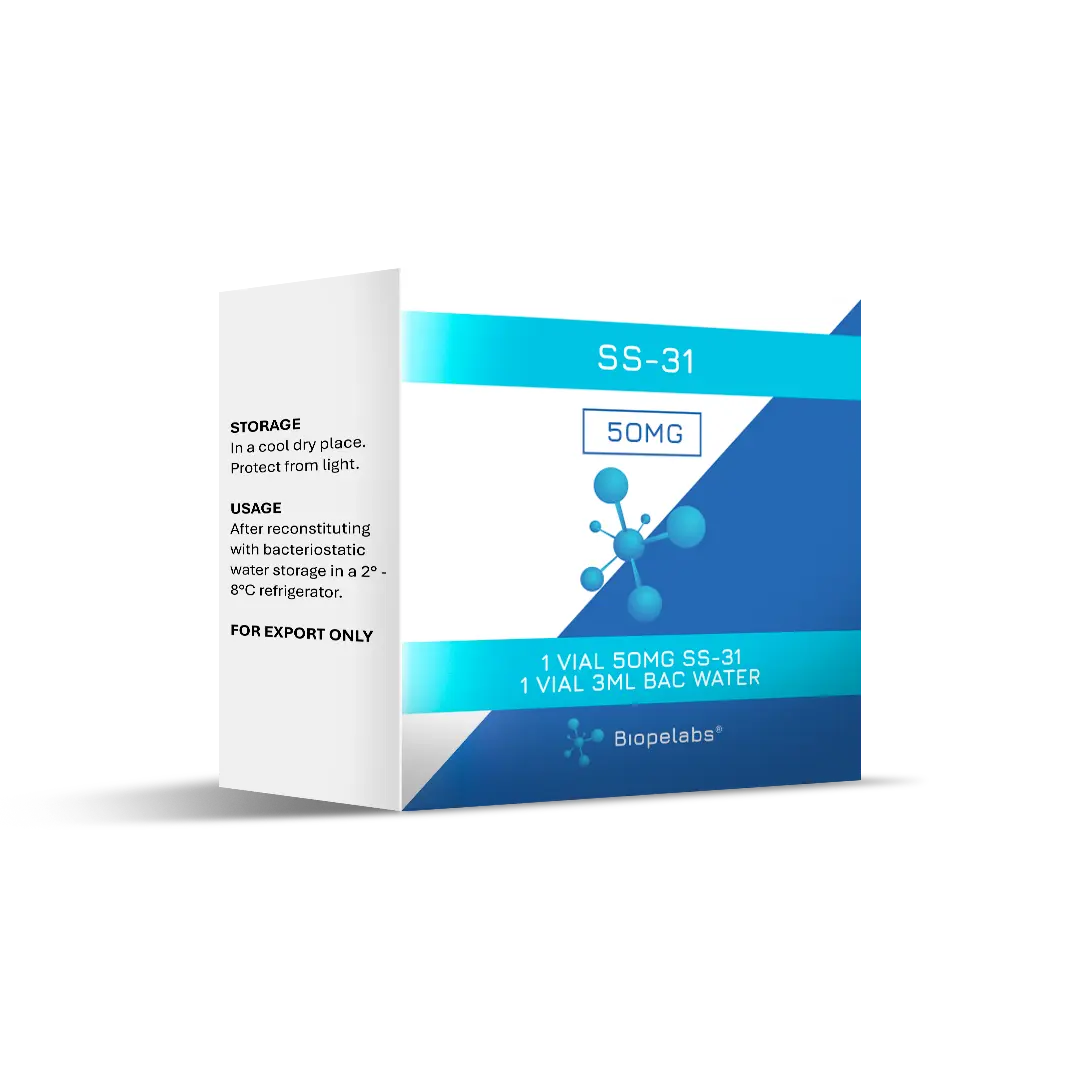
SS-31 50mg

Protects mitochondria / reduces mitochondrial stress and preserves cellular energy

SS‑31, also known as Elamipretide, is a mitochondria‑targeting peptide that crosses cell membranes and binds to cardiolipin in the inner mitochondrial membrane, stabilizing it against oxidative stress and improving ATP production.

R$1.935,00

10 in stock

Warning — For Research Use Only

Scientific content intended for research laboratories only. It is not a clinical, therapeutic, or diagnostic recommendation. Use is restricted to qualified professionals. Consult specialists before purchasing or using. Biopelabs reinforces its commitment to ethical and responsible use.

Description

SS‑31 acts as a selective mitochondrial antioxidant by inhibiting cardiolipin oxidation and protecting the integrity of mitochondrial cristae, thereby optimizing the electron transport chain and reducing the generation of reactive oxygen species (ROS). This interaction promotes enhanced cellular bioenergetics and has been studied in the context of neuroprotection, cardioprotection, and diseases associated with mitochondrial dysfunction, in both preclinical models and recent FDA‑reviewed clinical trials for specific indications. Its high purity (>99%) ensures reproducibility and precision in experimental studies, with preferential accumulation in tissues of high energy demand such as the brain and heart.


Important Information

Property Value
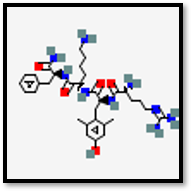
Molecular formula C₃₂H₄₉N₁₃O₁₀ (sequence: D‑Arg‑Dmt‑Lys‑Phe‑NH₂, where Dmt = 2′,6’‑dimethyltyrosine)
Molecular weight 1,648.79 Da (1,648.79 g/mol)
Synonyms Elamipretide, MTP‑131, Bendavia, Szeto‑Schiller‑31


 Main structure of the peptide SS‑31

SS-31

Source: PubChem

Lyophilized Peptides

Peptides undergo a lyophilization process, a technique that contributes to greater stability and extended shelf life, while preserving purity and molecular structure during storage. It is important to note that no fillers are used during this procedure.

Intended Use

Biopelabs states: this material is provided exclusively as a chemical input for research purposes. Its use is restricted to in vitro assays and experimental activities in laboratory environments. The information presented is strictly for informational and educational purposes. Handling must be carried out only by properly qualified professionals. This product is not classified as a medication, food, or cosmetic, and must not be used, marketed, or described as such.

Research

Initial Comments on the Peptide/Overview

SS-31 is a synthetic low-molecular-weight peptide belonging to the class of mitochondria-targeted peptides. Its sequence (D-Arg-dimethylTyr-Lys-Phe-NH₂) was designed to readily penetrate cell membranes and selectively accumulate in the inner mitochondrial membrane, independent of membrane potential.

Unlike classical antioxidants, SS-31 does not act solely as a scavenger of reactive species, but rather as a functional modulator of mitochondrial bioenergetics. Its primary molecular target is cardiolipin, a phospholipid essential for the structural organization of the electron transport chain.

The peptide has been widely investigated in experimental models related to mitochondrial dysfunction, aging, cardiovascular diseases, and metabolic disorders.


Mechanism of Action and Inhibition

SS-31 exhibits a mechanism of action centered on stabilizing mitochondrial function.

  1. Interaction with cardiolipin
  • Selective binding to cardiolipin in the inner mitochondrial membrane
  • Preservation of the organization of electron transport chain complexes
  • Prevention of cardiolipin lipid peroxidation
  1. Modulation of the respiratory chain
  • Improved efficiency of electron transport
  • Reduction of electron leak
  • Decreased formation of reactive oxygen species (ROS)
  1. Protection against mitochondrial dysfunction
  • Maintenance of mitochondrial membrane potential
  • Reduction of mitochondrial permeability transition pore (mPTP) opening
  • Preservation of ATP production
  1. Indirect effects
  • Reduction of intracellular oxidative stress
  • Modulation of apoptotic pathways

SS-31 does not function as a classical enzyme inhibitor but rather exerts modulatory and stabilizing effects on mitochondrial structures and processes.


Metabolic Impacts Investigated

Numerous preclinical and clinical studies have evaluated the metabolic effects of SS-31:

  1. Cellular bioenergetics
  • Increased mitochondrial efficiency
  • Improved ATP production
  • Reduction of cellular energetic dysfunction
  1. Oxidative metabolism
  • Reduction of mitochondrial ROS
  • Decreased oxidative damage to proteins, lipids, and DNA
  1. Muscle metabolism
  • Improved muscle function in aging models
  • Increased fatigue resistance
  • Preservation of mitochondrial integrity in skeletal muscle
  1. Cardiovascular metabolism
  • Improved cardiac function in heart failure models
  • Reduction of cardiac remodeling
  • Protection against ischemia-reperfusion injury
  1. Systemic metabolism
  • Potential improvement in insulin sensitivity (in some models)
  • Reduction of inflammation associated with oxidative stress


Investigation in Oncological Models

The role of SS-31 in oncological models remains limited and is not its primary focus of investigation.

However, some experimental considerations include:

  • Modulation of mitochondrial function may influence cell survival
  • Reduction of ROS may impact signaling pathways associated with proliferation
  • In certain contexts, mitochondrial protection could theoretically support cell survival (including tumor cells)

On the other hand:

  • There is no consistent evidence of direct pro-tumoral effects
  • Oncology-specific studies remain scarce and inconclusive

Thus, the role of SS-31 in cancer remains poorly defined and requires further investigation.


Specific Action of the Peptide SS-31

Cardiolipin-targeted mitochondrial protection

The primary specific action of SS-31 is the stabilization of cardiolipin in the inner mitochondrial membrane.

This results in:

  • Preservation of respiratory supercomplex structure
  • Reduction of lipid peroxidation
  • Maintenance of mitochondrial functional integrity

This characteristic differentiates SS-31 from conventional antioxidants, as its action is localized and structurally targeted rather than purely chemical.


Pharmacokinetic Considerations in Research

SS-31 exhibits pharmacokinetic properties consistent with small cationic peptides:

  • Rapid cellular penetration
  • Preferential distribution to mitochondria
  • Ability to cross membranes independently of specific transporters

Additional aspects:

  • Relatively short circulating half-life, but with intracellular functional retention
  • Parenteral administration in studies (primarily intravenous or subcutaneous)
  • Reduced initial degradation due to the presence of D-amino acids

Detailed human pharmacokinetics remain under investigation in clinical studies.


Other Relevant Research Associations

  • Aging and mitochondrial dysfunction
  • Neurodegenerative diseases (e.g., Alzheimer’s, Parkinson’s)
  • Ischemia-reperfusion injury
  • Metabolic diseases associated with mitochondrial dysfunction
  • Nephropathies and acute kidney injury
  • Muscle fatigue and sarcopenia

SS-31 is frequently studied as a mitochondria-protective agent in various conditions characterized by oxidative stress and impaired bioenergetics.

Final Considerations

SS-31 is a mitochondria-targeted peptide with a mechanism centered on cardiolipin interaction and stabilization of cellular bioenergetics. Its effects extend beyond simple antioxidant activity, involving structural and functional preservation of the respiratory chain.

Available data suggest benefits in models of mitochondrial dysfunction, including improvements in energy metabolism, muscle function, and cardiovascular health. However, its clinical application still depends on further validation in controlled studies.

Its current use remains predominantly restricted to experimental and research contexts, particularly in areas related to bioenergetics and mitochondrial medicine.


References

Szeto, H. H. (2014). First-in-class cardiolipin-protective compound as a therapeutic agent to restore mitochondrial bioenergetics. British Journal of Pharmacology, 171(8), 2029–2050. https://doi.org/10.1111/bph.12461

Zhao, K., Luo, G., Giannelli, S., Szeto, H. H. (2005). Mitochondria-targeted peptide prevents mitochondrial depolarization and apoptosis. Biochemical Pharmacology, 70(12), 1796–1806. https://doi.org/10.1016/j.bcp.2005.09.017

Dai, D. F., Chen, T., Szeto, H., Nieves-Cintrón, M., Kutyavin, V., Santana, L. F., Rabinovitch, P. S. (2011). Mitochondrial targeted antioxidant peptide ameliorates hypertensive cardiomyopathy. Journal of the American College of Cardiology, 58(1), 73–82. https://doi.org/10.1016/j.jacc.2010.12.044

Siegel, M. P., Kruse, S. E., Percival, J. M., Goh, J., White, C. C., Hopkins, H. C., Kavanagh, T. J., Szeto, H. H., Rabinovitch, P. S., Marcinek, D. J. (2013). Mitochondrial-targeted peptide improves mitochondrial bioenergetics and skeletal muscle performance in aged mice. Aging Cell, 12(5), 763–771. https://doi.org/10.1111/acel.12108

Elamipretide Clinical Development Overview (various ongoing clinical studies on SS-31).
COAs

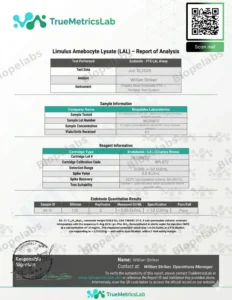
LAL Endotoxin Test Report

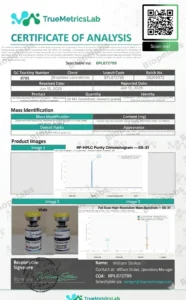
Certificate of Analysis (Including Product Images)

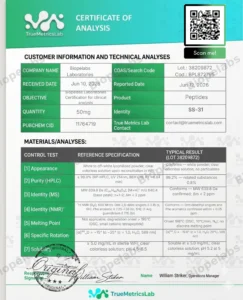
Certificate of Analysis (General / Physicochemical)

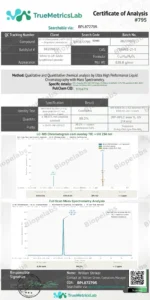
Certificate of Analysis (Analytical Method Details) ✅

Reviews

There are no reviews yet.

Only logged in customers who have purchased this product may leave a review.

Additional information

Weight 40 g
Dimensions 7 × 3,6 × 8 cm

Fill out the form