Discover Our Complete Catalog
Browse our full peptide catalog and explore additional compounds. Click any product to view its details and discover more research solutions.

1. 5-Amino-1MQ 10mg
2. 5-Amino-1MQ 50mg
3. ACE-031 1mg
4. ACTH 1-39 5mg
5. Adamax 5mg
6. AHK-Cu 50mg
7. AICAR 50mg
8. AICAR 100mg
9. AOD-9604 5mg
10. AOD-9604 10mg
11. Alprostadil 20mcg
12. Amylin 5mg
13. Angiotensin (1–7) 5mg
14. ARA-290 10mg
15. Bimagrumab 5mg
16. Botulinum Toxin 100IU
17. BPC-157 10mg
18. BPC-157 20mg
19. BPC-157 5mg + TB-500 5mg
20. BPC-157 10mg + TB-500 10mg
21. Bronchogen 20mg
22. Cagrilintide 10mg
23. Cagrilintide 20mg
24. Cardiogen 20mg
25. Cartalax 20mg
26. CBL-514 10mg
27. CBL-514 20mg
28. CBL-514 30mg
29. Cerebrolysin 60mg
30. Cerlankin 2mg
31. CGRP (Calcitonin Gene-Related Peptide) 1mg
32. CJC-1295 with DAC 5mg
33. CJC-1295 with DAC 10mg
34. CJC-1295 with DAC 5mg + Ipamorelin 5mg
35. CJC-1295 without DAC 5mg
36. CJC-1295 without DAC 10mg
37. CJC-1295 without DAC 5mg + Ipamorelin 5mg
38. Chonluten 20mg
39. Cortagen 20mg
40. Crystagen 20mg
41. CT-1 Cardiotrophin-1 5mg
42. Dermorphin 5mg
43. Dihexa 5mg
44. DSIP 5mg
45. Dulaglutide 5mg
46. Elabela Apelin 5mg
47. Enfuvirtide 90mg
48. Epithalon 5mg
49. Epithalon 40mg
50. Epithalon 50mg
51. EPO 3000IU
52. FGF21 10mg
53. Follistatin-344 1mg
54. FOXO4 10mg
55. GHK-Cu 50mg
56. GHK-Cu 100mg
57. Ghrelin 10mg
58. GHRP-2 5mg
59. GHRP-6 5mg
60. Glucagon 1mg
61. Glutathione 1500mg
62. Gonadorelin Acetate 2mg
63. Goserelin 10mg
64. GLOW BPC-157 10mg + GHK-Cu 50mg + TB-500 10mg
65. HGH 191AA 15IU
66. HGH 191AA 36IU
67. HGH Fragment 176-191 10mg
68. HGH Fragment 176-191 15mg
69. HMG (Human Menopausal Gonadotropin) 75IU
70. Humanin 10mg
71. Hyaluronic Acid 5mg
72. Hexarelin Acetate 2mg
73. Hexarelin Acetate 5mg
74. IGF-1 LR3 1mg
75. Ipamorelin 5mg
76. Ipamorelin 10mg
77. Kisspeptin-10 5mg
78. Kisspeptin-10 10mg
79. KLOW BPC-157 10mg + GHK-Cu 50mg + TB-500 10mg + KPV 10mg
80. KPV 10mg
81. Leuprolide Acetate 10mg
82. Liraglutide 5mg
83. Livagen 20mg
84. LL-37 5mg
85. Lysyl Oxidase 30mg
86. Matrixyl 10mg
87. Mazdutide 10mg
88. Melanotan I 10mg
89. Melanotan II 10mg
90. Melatonin 10mg
91. MGF 2mg
92. MOTS-c 10mg
93. MOTS-c 40mg
94. NAD+ 100mg
95. NAD+ 500mg
96. NAD+ 1000mg
97. Nesiritide 5mg
98. Neuropeptide Y (NPY) 10mg
99. Ovagen 20mg
100. Oxytocin Acetate 5mg
101. Oxytocin Acetate 10mg
102. P21 5mg
103. P21 10mg
104. PACAP 5mg
105. Pancragen 20mg
106. PE 22-28 10mg
107. PEG-MGF 2mg
108. Pinealon 5mg
109. Pinealon 10mg
110. Pinealon 20mg
111. PNC-27 5mg
112. PNC-27 10mg
113. Prostamax 20mg
114. PT-141 10mg
115. PTH Fragments 10mg
116. Relamorelin 5mg
117. Retatrutide 10mg
118. Retatrutide 20mg
119. Retatrutide 30mg
120. Retatrutide 40mg
121. Retatrutide 60mg
122. Retatrutide 5mg + Cagrilintide 5mg
123. Selank 5mg
124. Selank 10mg
125. Semaglutide 5mg + Cagrilintide 5mg
126. Semax 5mg
127. Sermorelin 5mg
128. SLU-PP-332 10mg
129. SNAP-8 10mg
130. SS-31 10mg
131. SS-31 50mg
132. Survodutide 10mg
133. TB-500 10mg
134. TB-500 (FRAG) 10mg
135. Teduglutide 5mg
136. Teriparatide 10mg
137. Tesamorelin 5mg
138. Tesamorelin 10mg
139. Tesamorelin 20mg
140. Tesamorelin 5mg + Ipamorelin 5mg
141. Tesofensine 1mg
142. Testagen 20mg
143. Thymalin 10mg
144. Thymosin Alpha-1 5mg
145. Thymosin Alpha-1 10mg
146. Treprostinil 5mg
147. Vesugen 20mg
148. VIP 5mg
149. VIP 10mg
150. Vilon 20mg

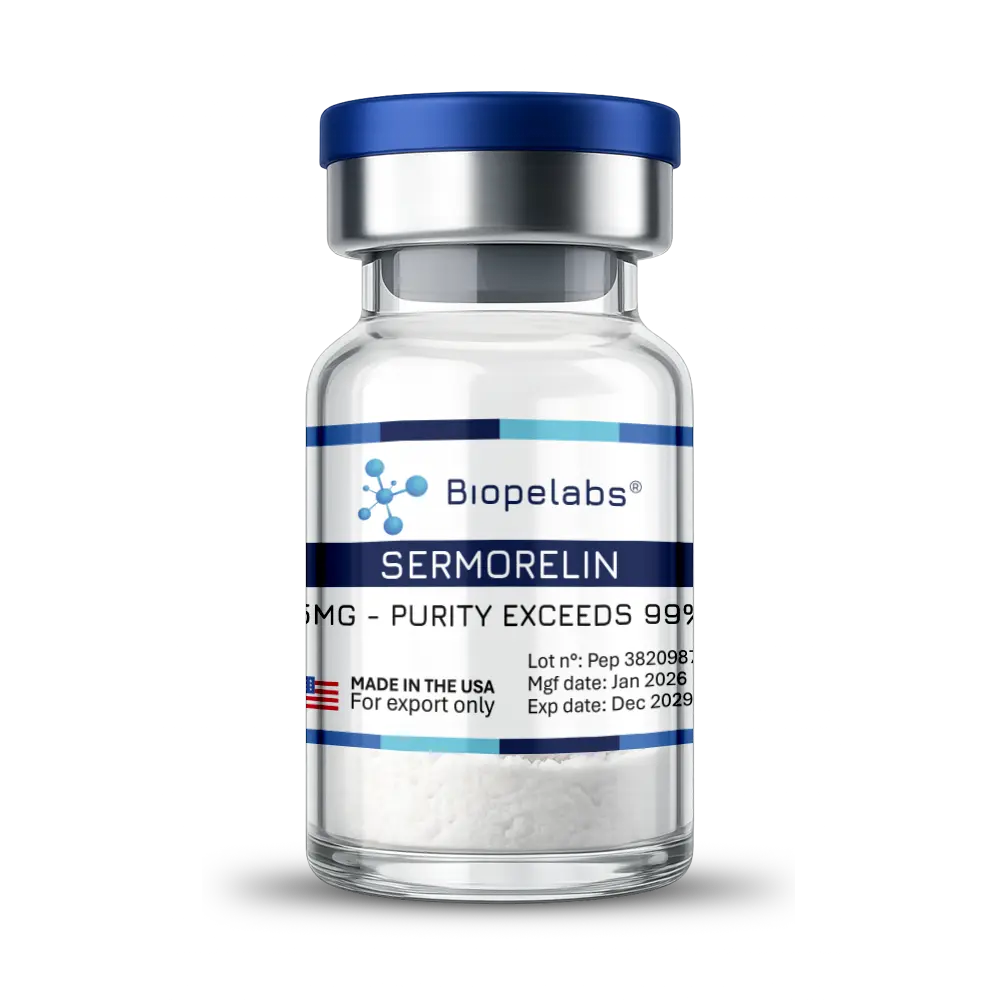
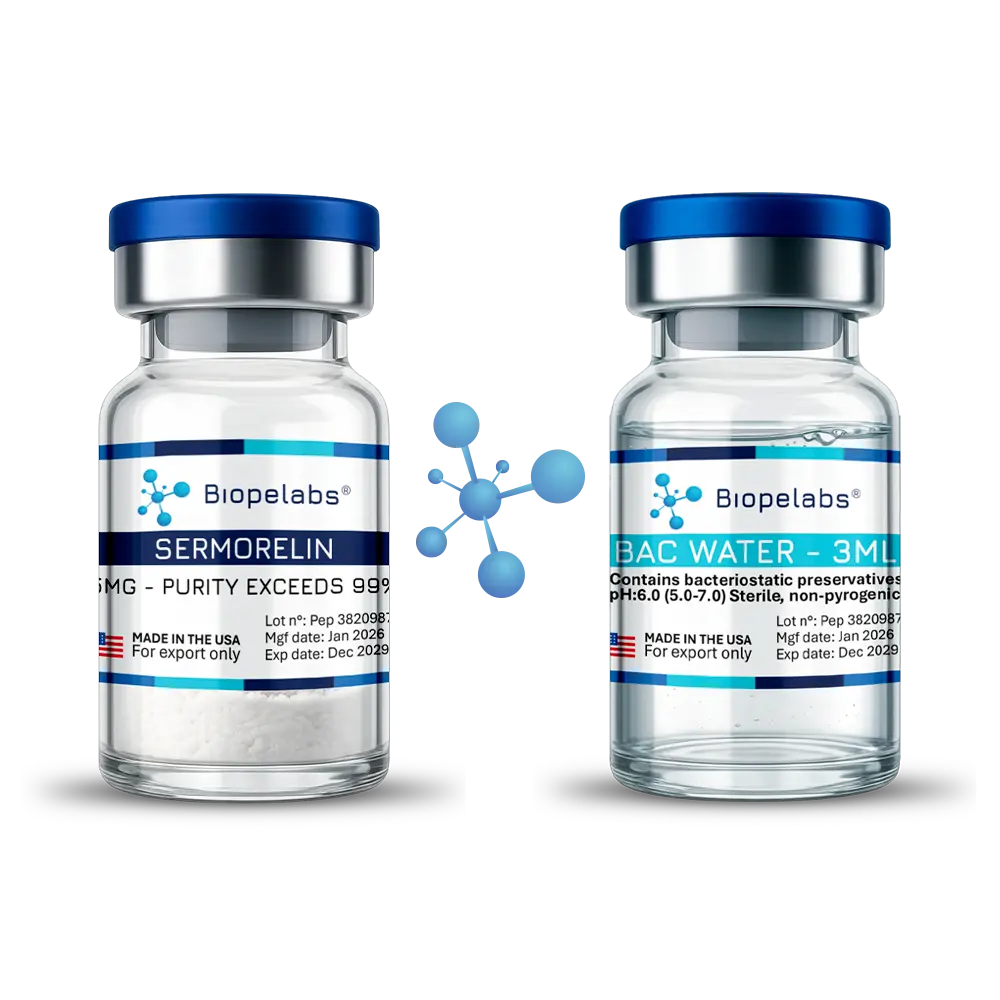
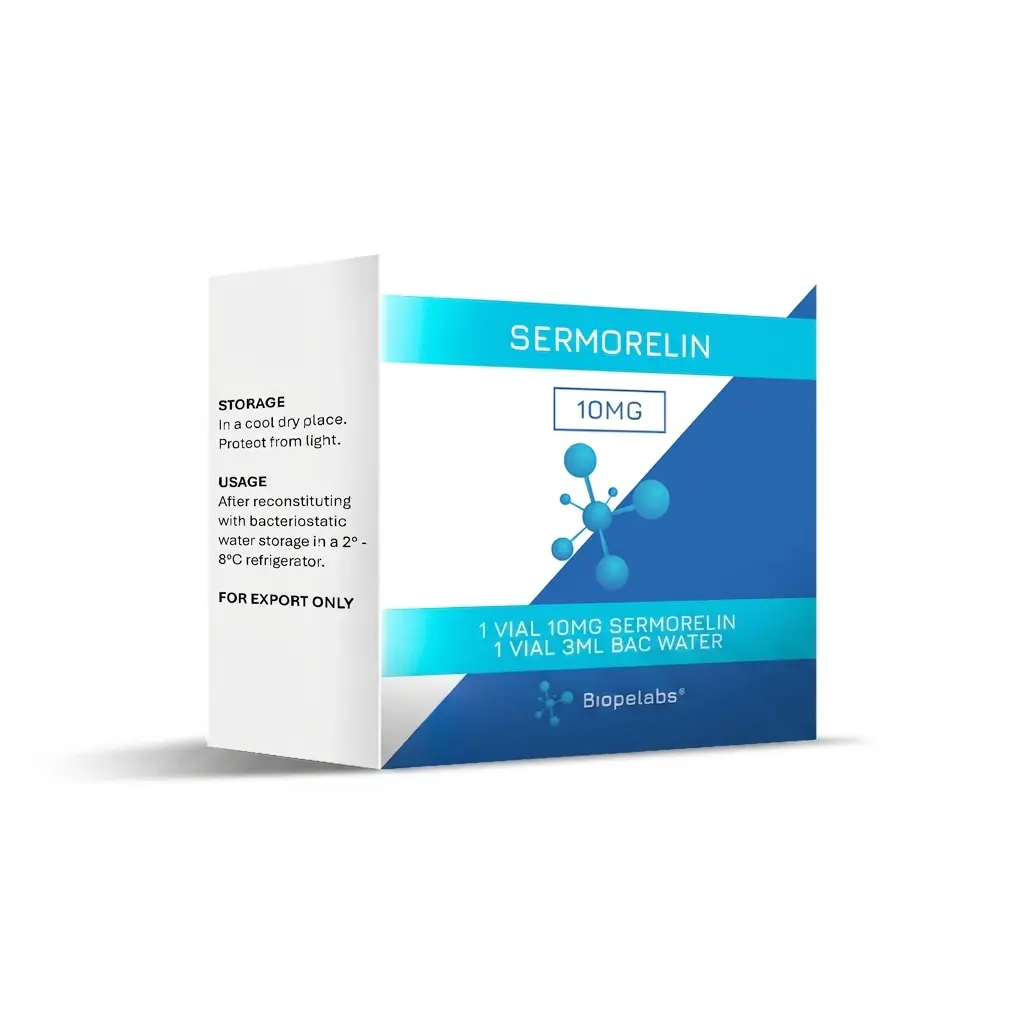
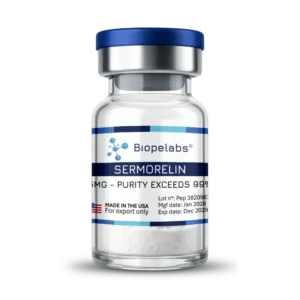
Sermorelin Acetate 10mg

Stimulates natural GH production / prompts the pituitary gland to release more growth hormone

Sermorelin is a synthetic peptide corresponding to the biologically active fragment GHRH(1‑29)‑amide. It acts as an analog of growth hormone–releasing hormone (GHRH), stimulating endogenous growth hormone (GH) secretion from the anterior pituitary.

R$910,00

10 in stock

Warning — For Research Use Only

Scientific content intended for research laboratories only. It is not a clinical, therapeutic, or diagnostic recommendation. Use is restricted to qualified professionals. Consult specialists before purchasing or using. Biopelabs reinforces its commitment to ethical and responsible use.

Description

Sermorelin comprises the N‑terminal 29‑amino‑acid sequence of human GHRH, considered the smallest fragment capable of preserving full biological activity.
Its mechanism of action involves binding to GHRH receptors (GHRH‑R) located on somatotropic cells of the anterior pituitary, triggering intracellular signaling that promotes pulsatile GH release and subsequent elevation of insulin‑like growth factor‑1 (IGF‑1).

Historically, this peptide was developed as a diagnostic and therapeutic agent for conditions associated with GH deficiency, while preserving physiological endocrine feedback mechanisms.


Important Information

Property Value
Molecular formula C₁₄₉H₂₄₆N₄₄O₄₂S
Molecular weight 3357.9 g/mol (Da)
Synonyms GHRH (1‑29) amide, Growth Hormone Releasing Factor (GRF) (1‑29) amide, Somatoliberin (fragment 1‑29), Sermorelin acetate


 Main structure of the peptide Sermorelin
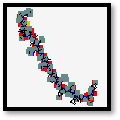
Sermorelin Acetate

Source: PubChem


Lyophilized Peptides

Peptides undergo a lyophilization process, a technique that contributes to greater stability and extended shelf life, while preserving purity and molecular structure during storage. It is important to note that no fillers are used during this procedure.

Intended Use

Biopelabs states: this material is provided exclusively as a chemical input for research purposes. Its use is restricted to in vitro assays and experimental activities in laboratory environments. The information presented is strictly for informational and educational purposes. Handling must be carried out only by properly qualified professionals. This product is not classified as a medication, food, or cosmetic, and must not be used, marketed, or described as such.

Research

Initial Comments on the Peptide/Overview

Sermorelin (sermorelin acetate) is a synthetic peptide corresponding to the first 29 amino acids of the Growth Hormone-Releasing Hormone (GHRH). This N-terminal portion is biologically active and sufficient to stimulate the secretion of growth hormone (GH) by the anterior pituitary.

Historically, sermorelin was developed as a therapeutic alternative to exogenous GH administration, aiming to preserve the physiological regulation of the hypothalamic-pituitary-somatotropic axis. Currently, its use remains relevant in experimental and research contexts related to endocrine regulation and metabolism.


Mechanism of Action and Inhibition

Sermorelin acts as an agonist of the GHRH receptor (GHRH-R), located in somatotroph cells of the anterior pituitary.

Main mechanism:

  • Binding to GHRH-R receptor
  • Activation of adenylate cyclase → increased cAMP
  • Activation of protein kinase A (PKA)
  • Stimulation of GH synthesis and pulsatile secretion

Physiological consequences:

  • Indirect increase in hepatic IGF-1 levels
  • Preservation of physiological pulsatile GH secretion
  • Lower suppression of the endogenous axis compared to exogenous GH

Inhibition/regulation:

  • Negative feedback mediated by IGF-1
  • Functional antagonism by somatostatin
  • Modulation by metabolic factors (glucose, free fatty acids)

No direct inhibitory activity is attributed to sermorelin; its action is predominantly stimulatory within the GH/IGF-1 axis.


Metabolic Impacts Investigated

Activation of the GH/IGF-1 axis by sermorelin is associated with several metabolic effects:

  1. Lipid metabolism:
  • Increased lipolysis
  • Reduction in body fat, especially visceral fat
  • Modulation of lipid profile (variable results)
  1. Protein metabolism:
  • Indirect stimulation of protein synthesis
  • Potential increase in lean body mass in some models
  1. Glucose metabolism:
  • Complex and context-dependent effects
  • GH may induce transient insulin resistance
  • IGF-1 may improve insulin sensitivity
  1. Systemic effects:
  • Improvement in body composition parameters
  • Influence on bone mineral density (in long-term studies)
  • Possible impact on sleep quality (associated with GH release)


Investigation in Oncological Models

The GH/IGF-1 axis is widely studied in oncology due to its role in cell proliferation and survival.

Relevant research considerations:

  • Increased IGF-1 may be associated with activation of proliferative pathways (PI3K/Akt and MAPK)
  • IGF-1 exerts anti-apoptotic effects in various cell types
  • Chronic stimulation of the GH/IGF-1 axis raises hypotheses regarding potential influence on tumor growth

However:

  • There is no robust direct evidence that sermorelin alone induces carcinogenesis
  • Available data are mostly indirect and based on the biology of the GH/IGF-1 axis

Therefore, this relationship remains under investigation and requires cautious interpretation in experimental contexts.


Specific Action of the Peptide Sermorelin

Physiological stimulation of GH secretion

The primary specific action of sermorelin is the induction of endogenous GH secretion in a physiological and pulsatile manner, distinguishing it from exogenous GH.

Key characteristics:

  • Preserves hypothalamic control (somatostatin/GHRH)
  • Maintains circadian rhythm of GH secretion
  • Reduces risk of hypothalamic-pituitary axis suppression

This property makes sermorelin particularly relevant in studies aiming to modulate the somatotropic axis without disrupting its natural regulation.


Pharmacokinetic Considerations in Research

Sermorelin exhibits pharmacokinetic characteristics typical of short peptides:

  • Short plasma half-life (approximately 10–20 minutes)
  • Rapid degradation by peptidases
  • Low oral bioavailability (parenteral administration in studies)

Additional aspects:

  • Biological response (GH release) persists beyond the peptide’s plasma presence
  • Effect depends on functional integrity of the pituitary
  • No significant accumulation with intermittent administration


Other Relevant Research Associations

  • Studies on aging and decline of the somatotropic axis
  • Research in GH deficiency
  • Relationship with sleep quality and nocturnal GH secretion
  • Interaction with physical exercise (synergistic GH release)
  • Studies on body composition and sarcopenia


Final Considerations

Sermorelin is a functional analog of GHRH that stimulates endogenous growth hormone secretion in a physiological manner. Its main scientific relevance lies in its ability to modulate the GH/IGF-1 axis while preserving natural regulatory mechanisms.

The observed metabolic effects are primarily related to increased GH and IGF-1, influencing body composition and lipid and protein metabolism. However, as with other modulators of this axis, its relationship with proliferative processes requires continued investigation.

Its current use remains predominantly restricted to experimental and research contexts, particularly in endocrine and metabolic studies.


References

Bowers, C. Y. (1998). Growth hormone-releasing hormone (GHRH) and its analogs. Endocrine Reviews, 19(5), 523–541. https://doi.org/10.1210/edrv.19.5.0344

Vance, M. L. (1990). Growth hormone-releasing hormone. Clinical Endocrinology, 33(4), 403–417. https://doi.org/10.1111/j.1365-2265.1990.tb03884.x

Ghigo, E., Arvat, E., Muccioli, G., Camanni, F. (1997). Growth hormone-releasing hormone. Journal of Endocrinological Investigation, 20(6), 345–353.

Iranmanesh, A., Lizarralde, G., Veldhuis, J. D. (1991). Age and relative adiposity are specific negative determinants of the frequency and amplitude of growth hormone (GH) secretory bursts and the half-life of endogenous GH in healthy men. The Journal of Clinical Endocrinology & Metabolism, 73(5), 1081–1088.

Müller, E. E., Locatelli, V., Cocchi, D. (1999). Neuroendocrine control of growth hormone secretion. Physiological Reviews, 79(2), 511–607.
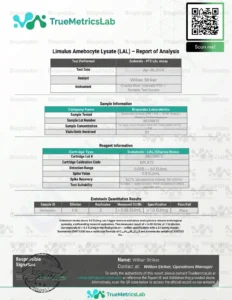
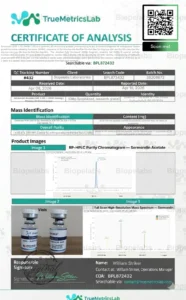
 

COAs

LAL Endotoxin Test Report

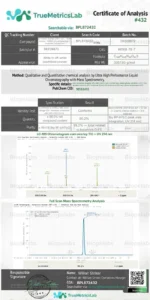
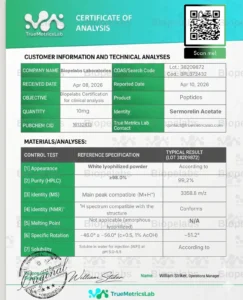
Certificate of Analysis (Including Product Images)

Certificate of Analysis (General / Physicochemical)

Certificate of Analysis (Analytical Method Details) ✅

Reviews

There are no reviews yet.

Only logged in customers who have purchased this product may leave a review.

Additional information

Weight 40 g
Dimensions 7 × 3,6 × 8 cm

Fill out the form